
Across the room
Create a setting people want to spend time in.
Here, the furniture becomes a place to gather. Bringing it into a social setting gives guests a natural reason to sit, settle in and feel its comfort.
We shape the story and experience behind launches, partnerships and customer encounters.
An independent practice led by Aditya Tiwari.
For five centuries, people have crossed the world to look at this smile. No one has fully explained it.
Every lasting brand has something people feel before they can name it. We call it the æ.
Look closer. See what’s possible.
Brands Aditya has worked with and alongside, across launches, partnerships and events.


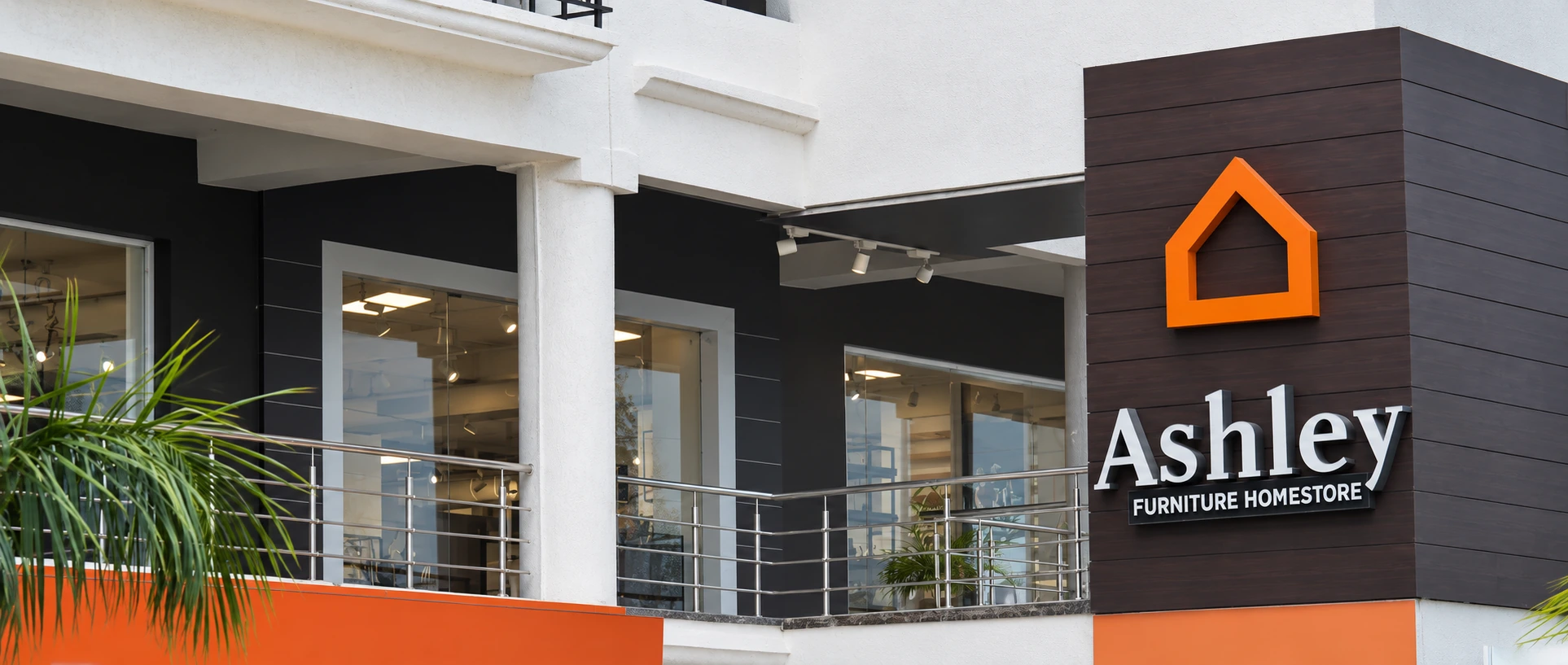
For Ashley HomeStore in Jamshedpur, Aditya connected the brand’s story with partnerships, campaigns and showroom experiences, carrying customer interest through to the sales conversation and follow-up.
We begin with what people value, what they already believe and what makes them hesitate. Those insights guide the story we tell and the experiences we design.


The most famous smile in the world is barely there. What you hold back matters as much as what you show. For a new product, location or audience, we clarify its value, define the story and plan the first encounters that make it tangible.

Leonardo blended one tone into the next with no visible line. We bring brands, venues and collaborators together around a shared story, with a clear role for each and an experience that gives customers a reason to care.

We connect the invitation, the experience and the conversation that follows, so people have a clearer reason to enquire, buy, book or return.
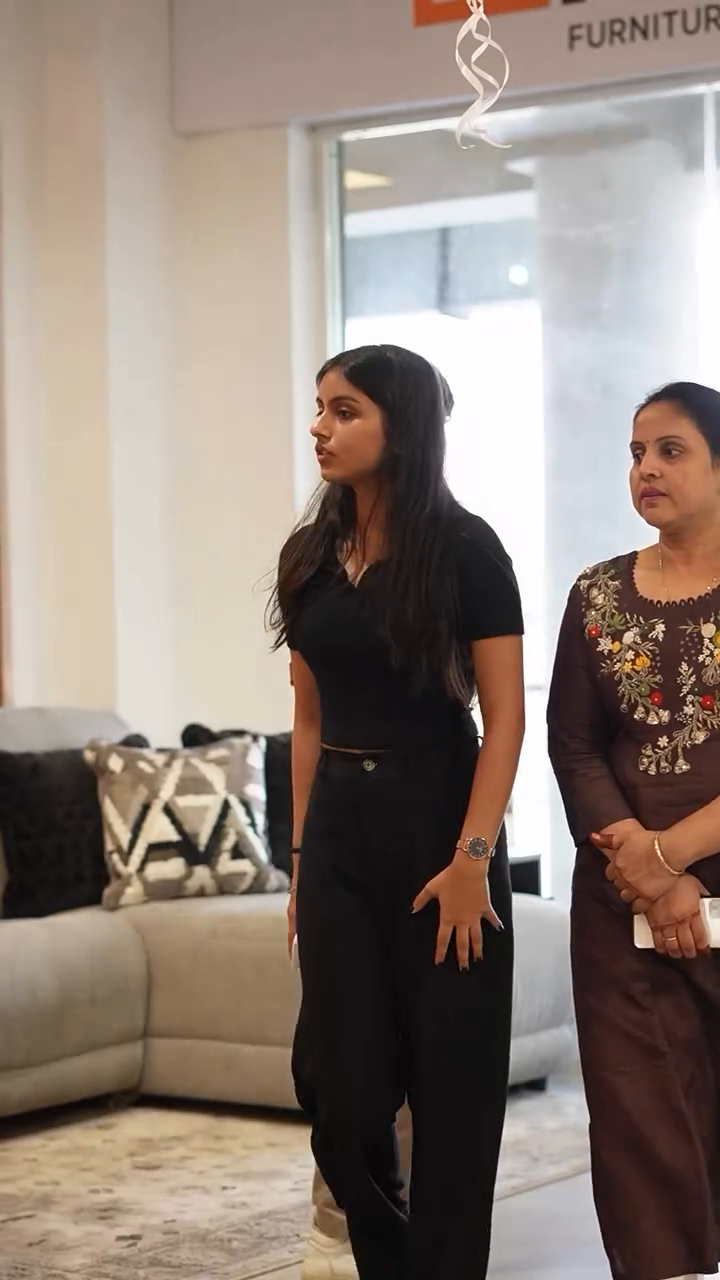
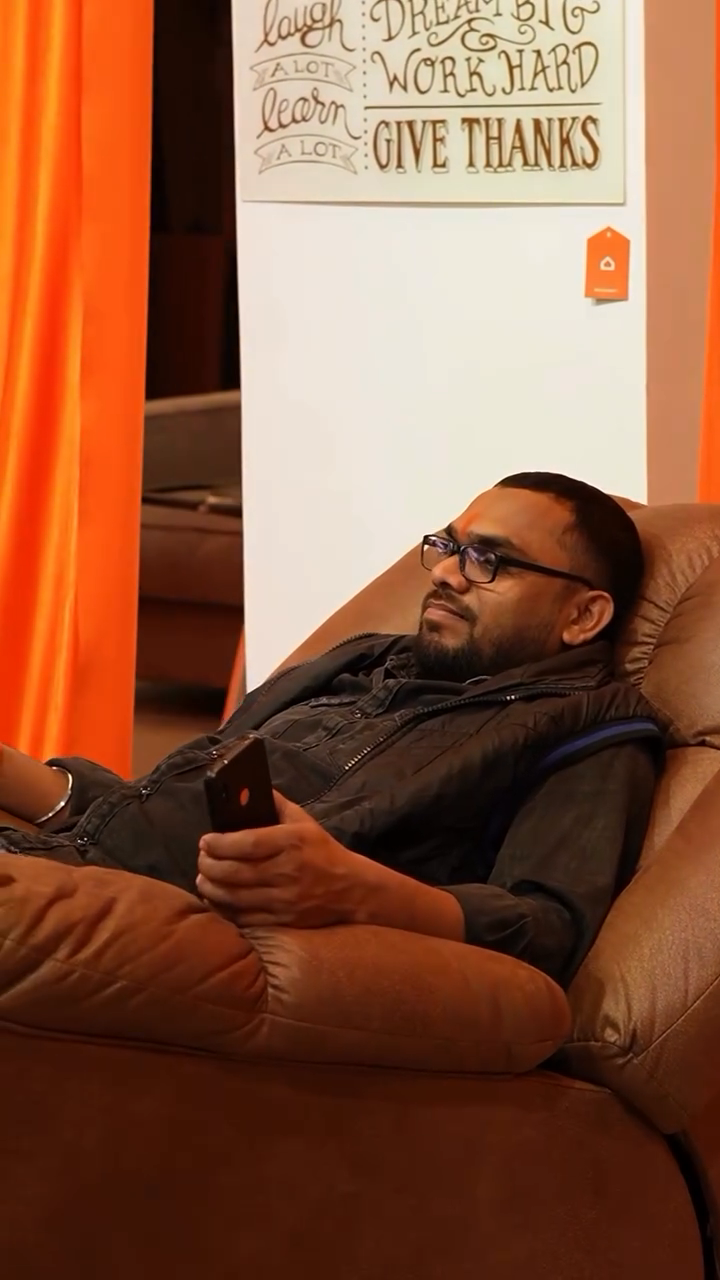
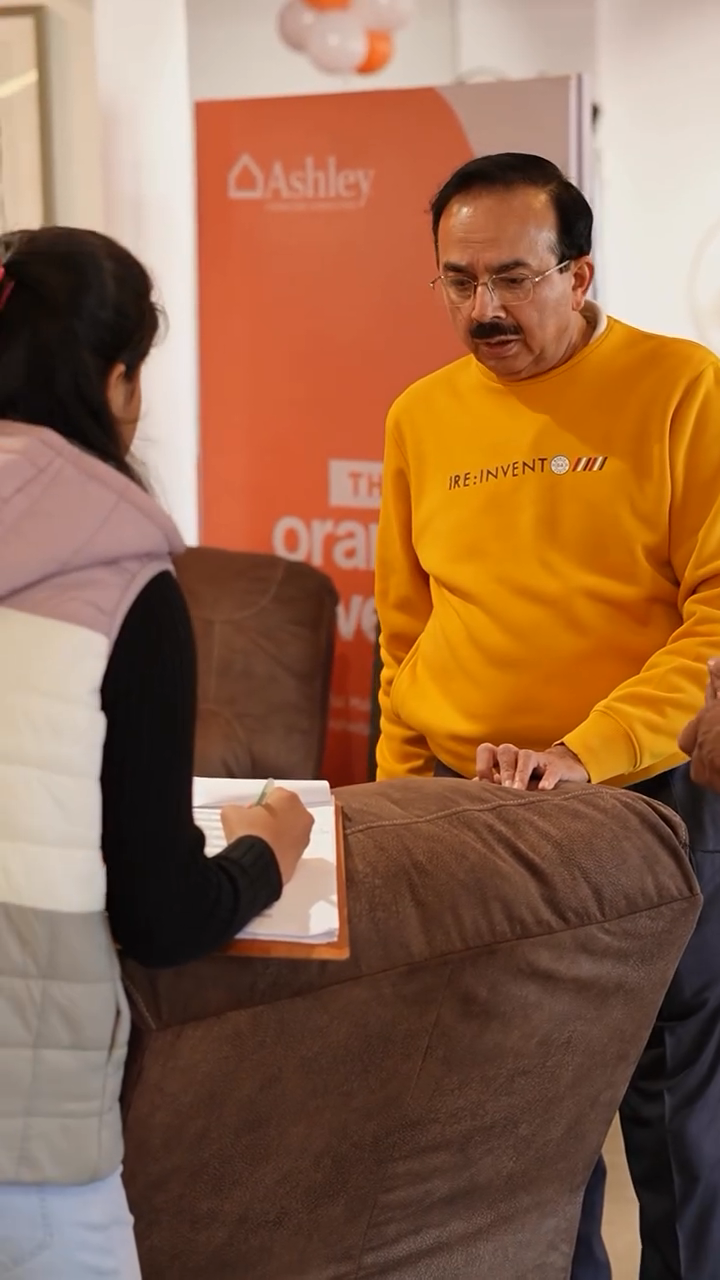
Three moments from different occasions, each answering one question: what does this help the customer understand or experience?
Here, the furniture becomes a place to gather. Bringing it into a social setting gives guests a natural reason to sit, settle in and feel its comfort.

The association becomes tangible when guests can explore the car. The display gives them room to look closer, read about it and ask questions.

Personal conversations reveal what someone values and what they want to know. Planning room for that exchange connects the wider brand experience to the individual.
Built in layers, like the portrait.
Every engagement is built in thin layers, from the first conversation to the finished work. You work directly with Aditya throughout.
Review rounds and any production or travel costs are agreed before the assignment begins.
When the Mona Lisa was stolen in 1911, crowds came to the Louvre to stare at the bare hooks where it had hung.
It was missing for more than two years and came back the most famous painting in the world. Anticipation is a design material. We use it on purpose.
Every engagement starts with a first sitting: one conversation with Aditya about what is changing and what you want to achieve.

A defined project. One assignment, a clear brief, and a scope and fee agreed before work begins.
Suited to a launch, a brand partnership or a defined customer experience.
Discuss a project
Direction carried into execution. Aditya works with your team and specialist partners chosen for the assignment, on site and remotely.
Suited to work that has to be made and delivered, not only planned.
Plan the delivery
An ongoing advisory relationship for founders and leadership teams, guiding how the brand presents itself and how customers experience it.
Suited to a business with a run of launches ahead.
Explore ongoing advice
At an Ashley HomeStore franchise in Jamshedpur, Aditya connected the brand’s story with partnerships, campaigns, showroom encounters and customer follow-up.
That experience shapes Monaesque’s approach: understand how people see a brand, then connect its story with the moments in which they encounter it. Aditya works remotely and on site, with specialist partners scoped to each assignment.
Copy it and send it to hello@monaesque.com.
A beautiful showroom. Too few customers. Connecting Ashley’s story with experiences that made its value easier to understand, from the first introduction to the decision to buy.



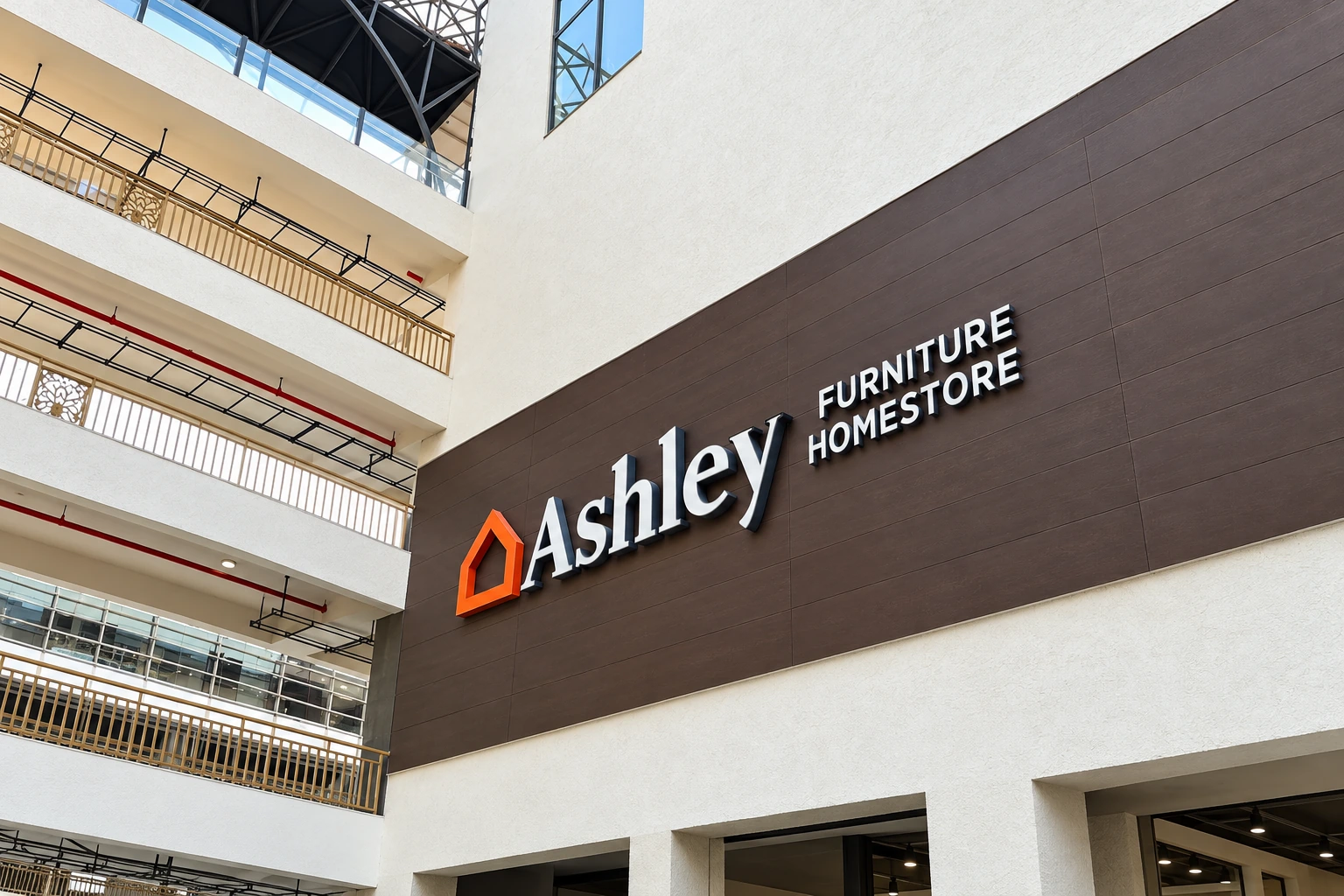
Ashley’s new showroom in Jamshedpur had the furniture and the setting. It occupied approximately 17,500 square feet on the first floor of Bindal Mall, on Marine Drive. The store had opened outside Bistupur’s established shopping circuit, in a mall that was still under construction at the time.
What it did not have was enough people coming through the door. Footfall was low, sales conversion stood at 3%, and the business was losing money. High rent made that gap harder to carry.
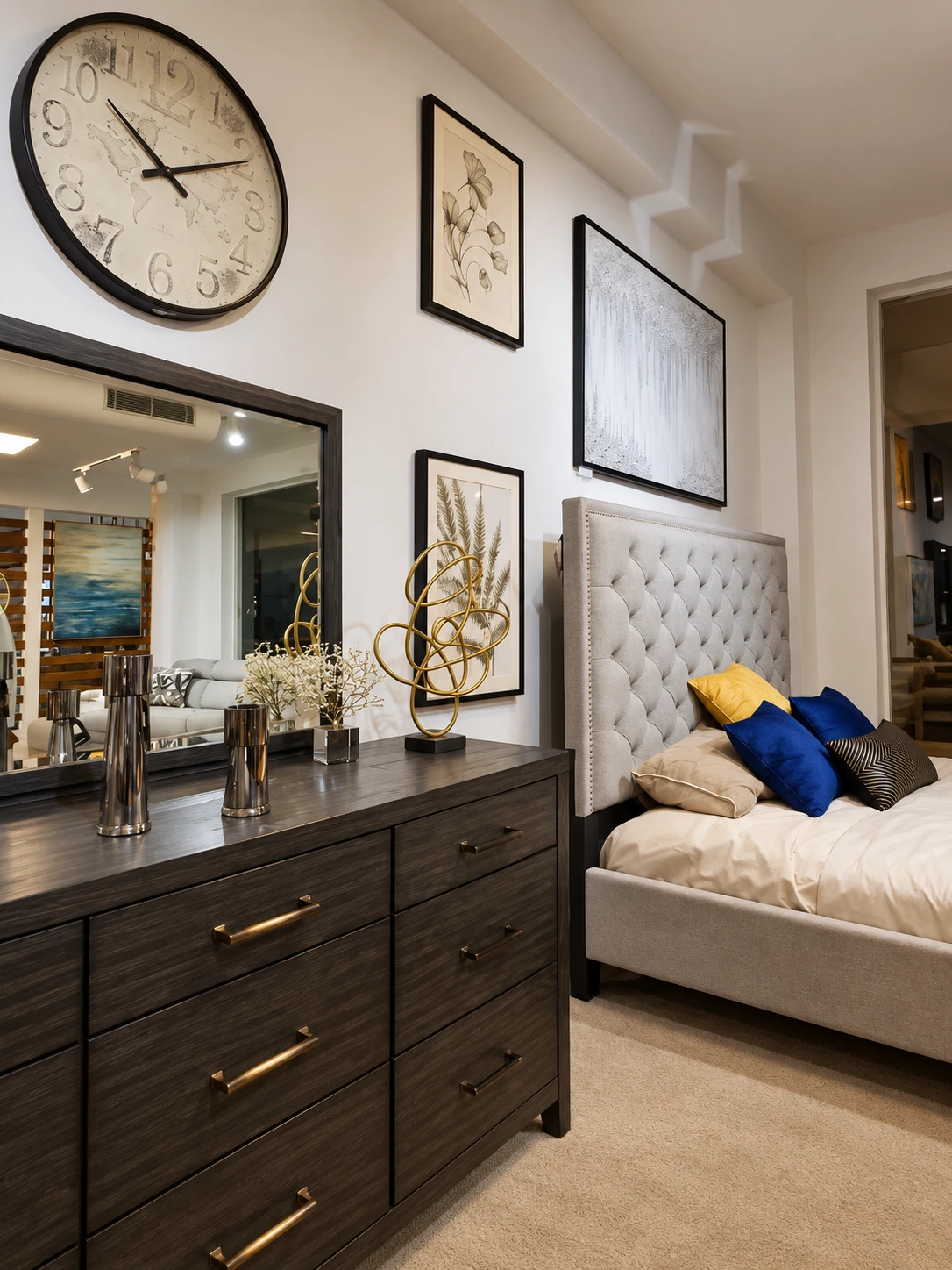
The city gave us reasons to believe there was an audience. People were already buying luxury cars, and some travelled to Delhi or Mumbai for premium furniture. Where they had bought it became part of how they talked about its value. Those habits supported our desk research: the willingness to spend existed. Ashley still had to earn that confidence locally.
Awareness of Ashley was low, and the new location offered little of the familiarity of an established shopping district. A visit required a deliberate trip. We had to give people a reason to make it.
A second difficulty appeared once people arrived. Visitors compared Ashley with lower-priced local stores that also described themselves as premium. The showroom was not yet helping them understand the brand or judge the furniture on more than price. A larger audience would bring more people into that same unresolved comparison.
I worked across marketing, the showroom experience, the sales process and partnerships, deciding where to begin and how each improvement could support the next. The in-house team produced the early films; the showroom team carried the work into daily visits and follow-up; creators and event collaborators extended its reach.
The task was to connect those efforts. People needed a reason to discover Ashley, enough understanding to consider it, and help deciding what belonged in their home. With the business losing money, the order in which we did that mattered.
Each new activity had to support the same journey, and be affordable for the business at that stage.
There was no budget to transform everything at once. I began with social media marketing using films made inside the showroom by our in-house team. We already had the furniture, the room settings and the launch offers. Using those resources let us start introducing the store without waiting for a larger production or an event budget.
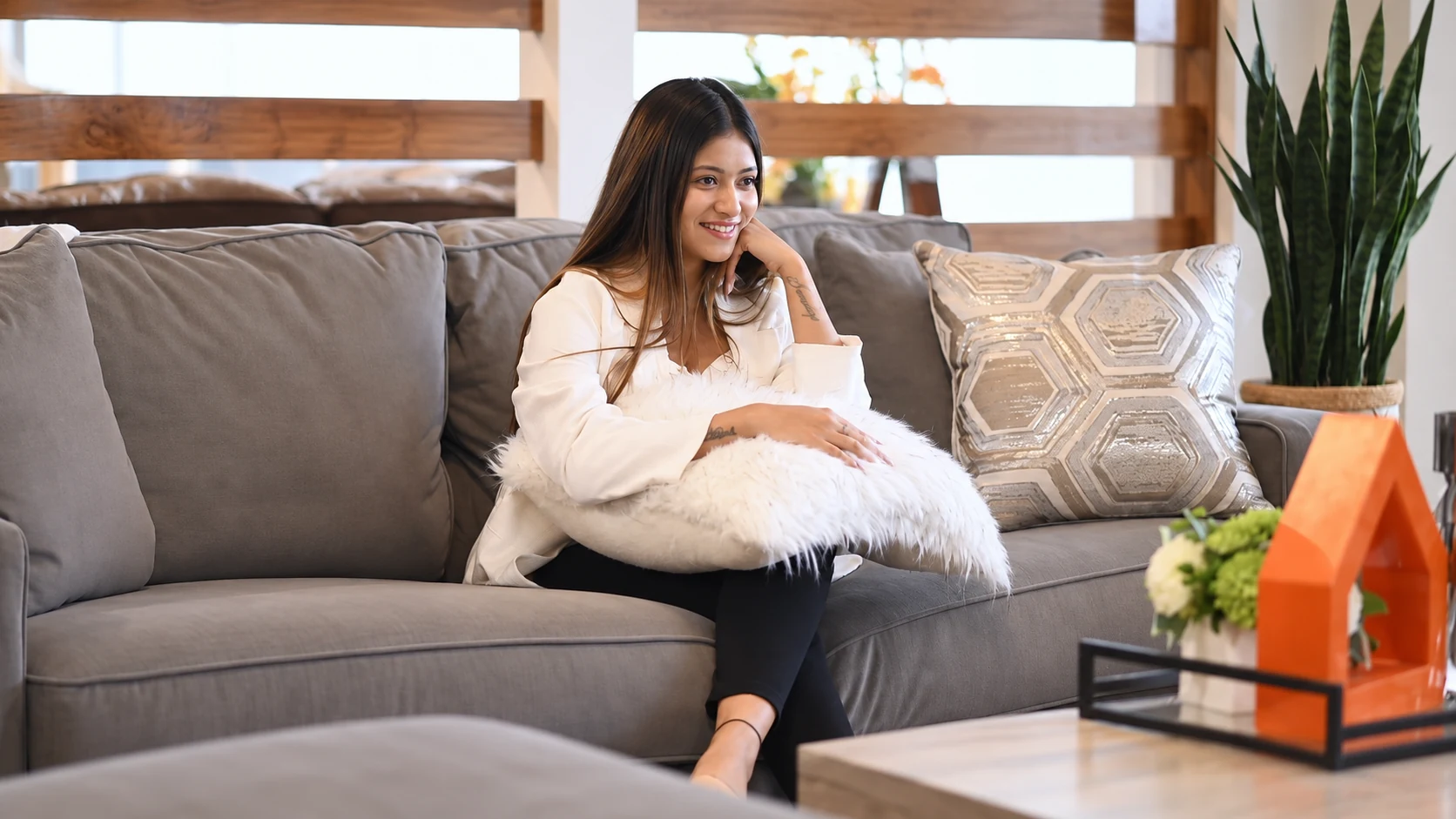
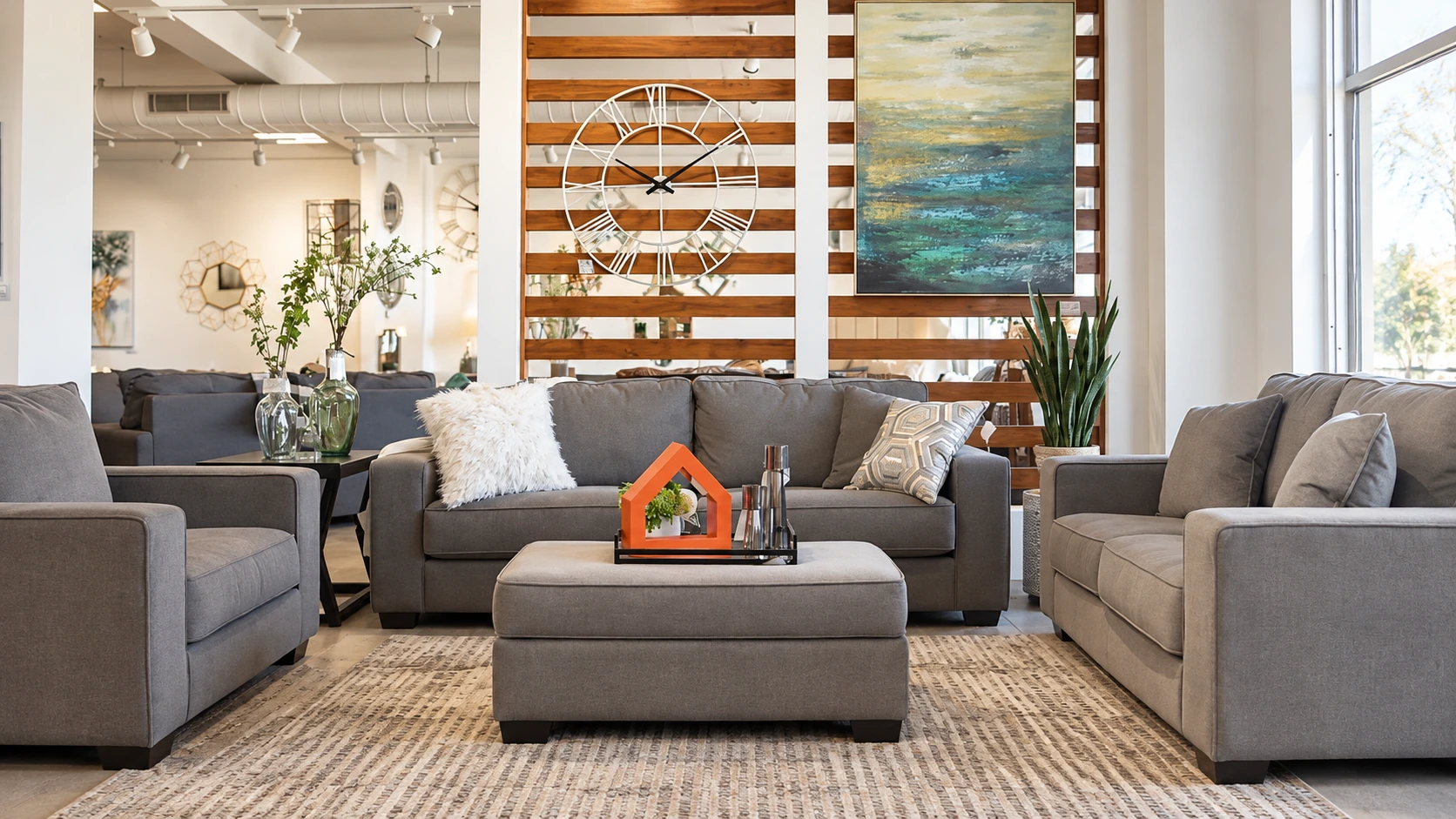
The creative task was to make the furniture easy to imagine in use. In the Angleton sofa film, the room, the fabric and a woman settling into the seat gave a viewer something more concrete than a product name. The launch offer supplied a timely reason to visit; the film showed what the visit could offer.
Visits and sales began to improve modestly. That gave us room to take the next step while keeping the social marketing running. The pace of the work followed what the business could fund.
Local creators came next. Ashley was new to many people in the city; a familiar voice could make that introduction easier to approach. We brought creators into the showroom so the audience could see the space, the furniture and the experience available there.
One film began with Jamshedpur’s streets and familiar places before entering Ashley. That choice addressed the local credibility problem directly: the possibility of living well was being shown here, in the viewer’s own city.
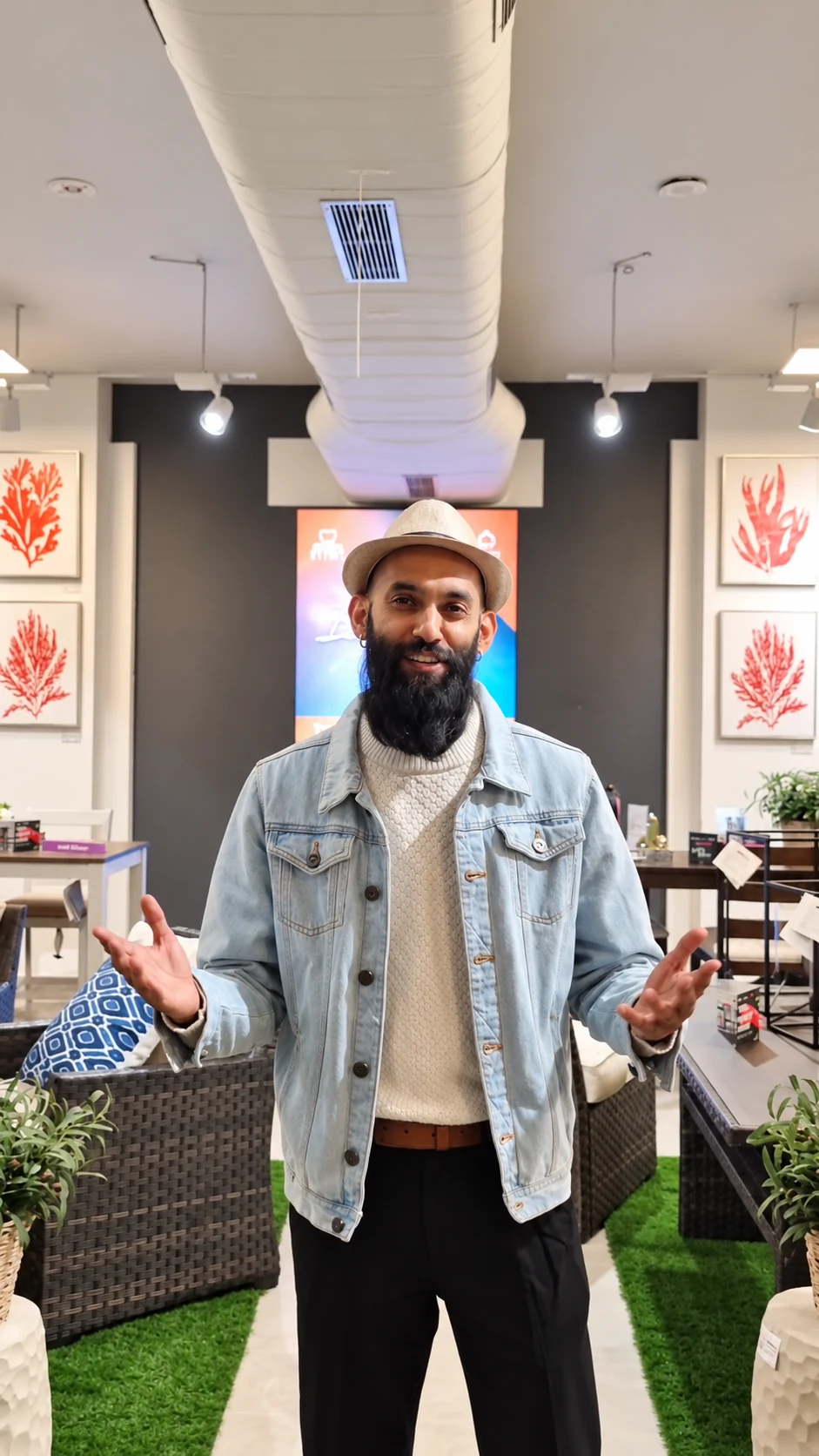
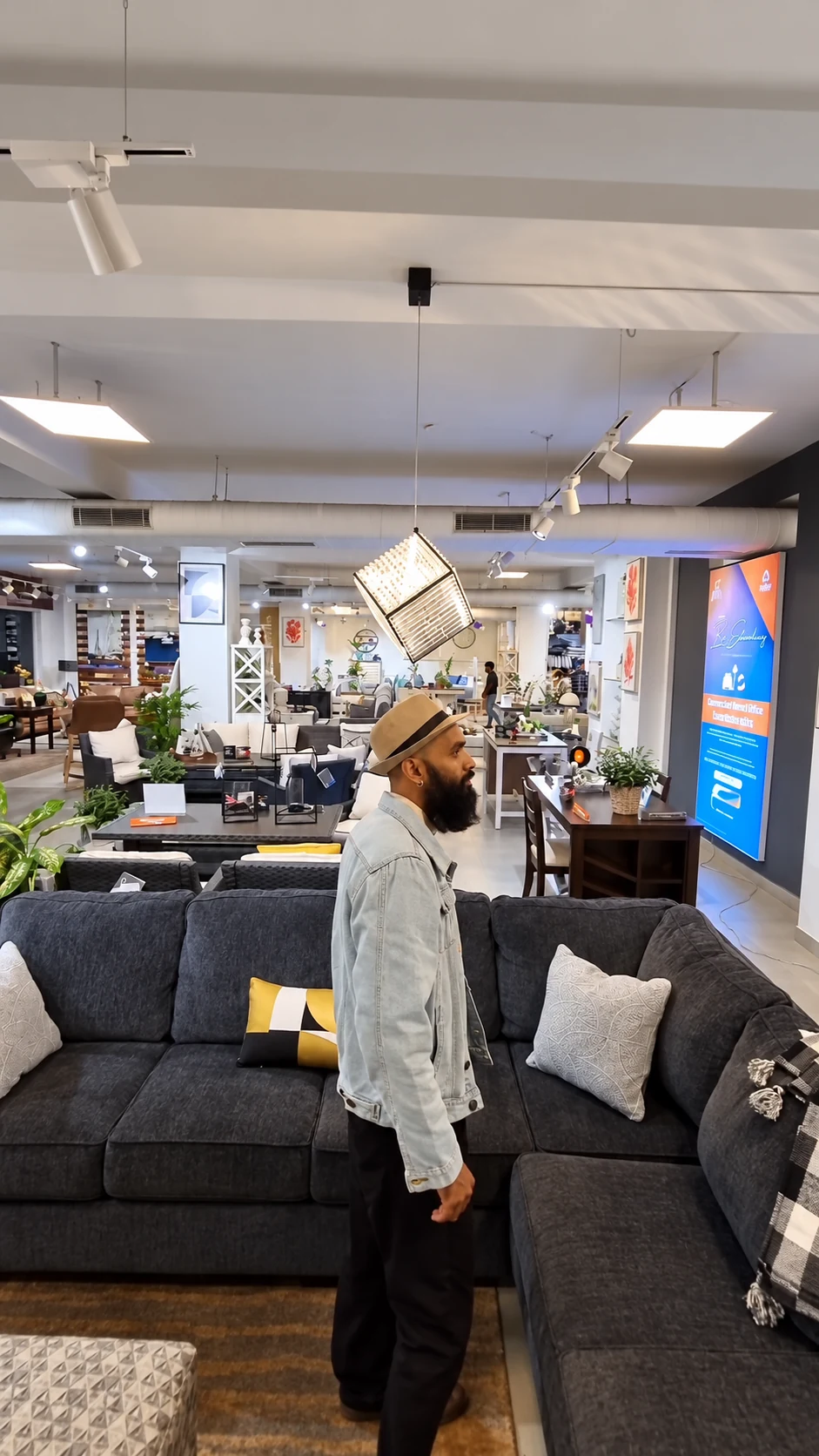
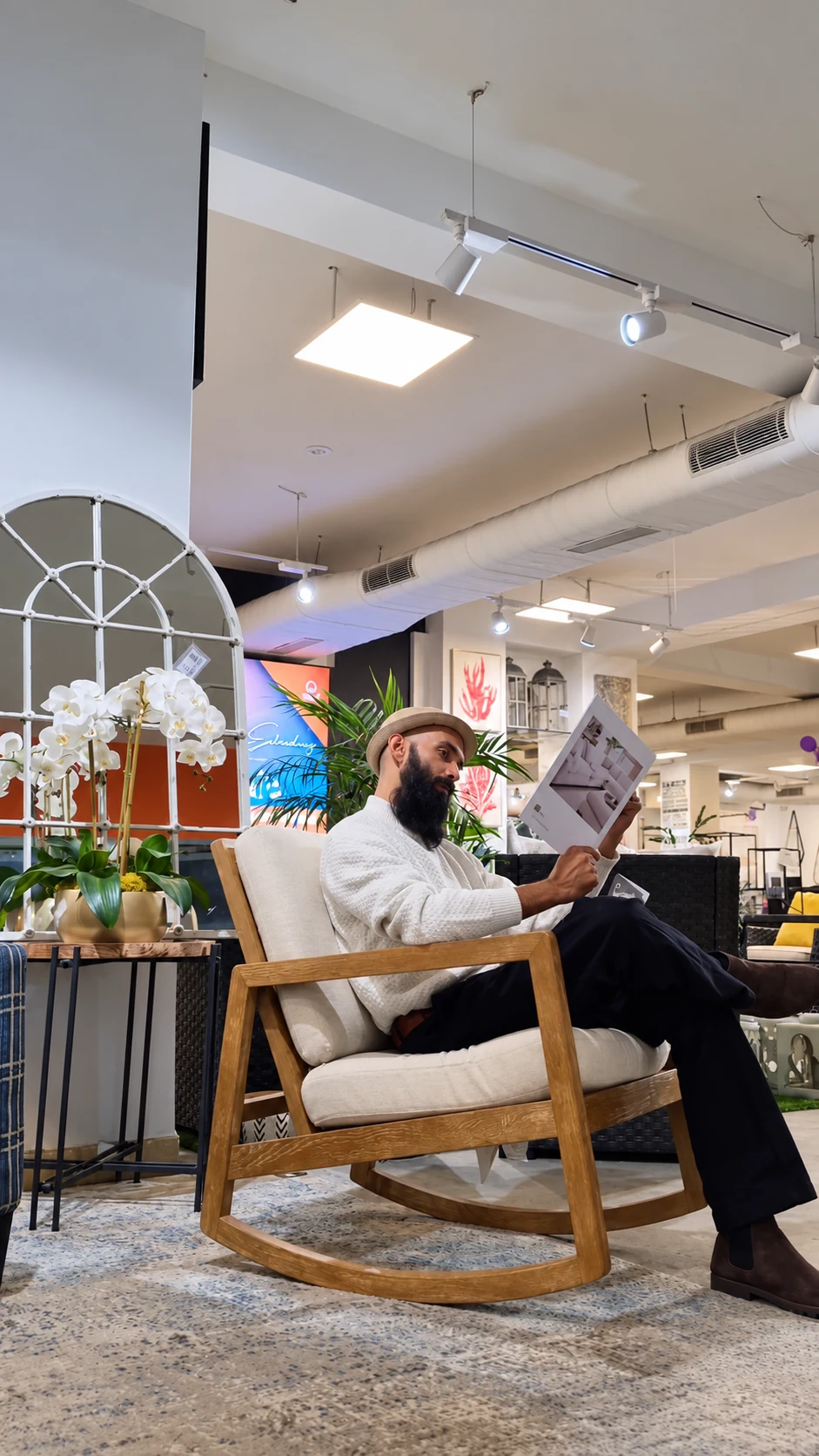


The films gave different local voices room to introduce the collection. Moving from living-room settings to bedroom displays let viewers see both the scale of the showroom and how the pieces worked together. The creators carried that explanation to audiences beyond the store’s own voice.
That introduction also created an expectation. Once someone arrived, the showroom and the sales team had to make the visit worth their time.
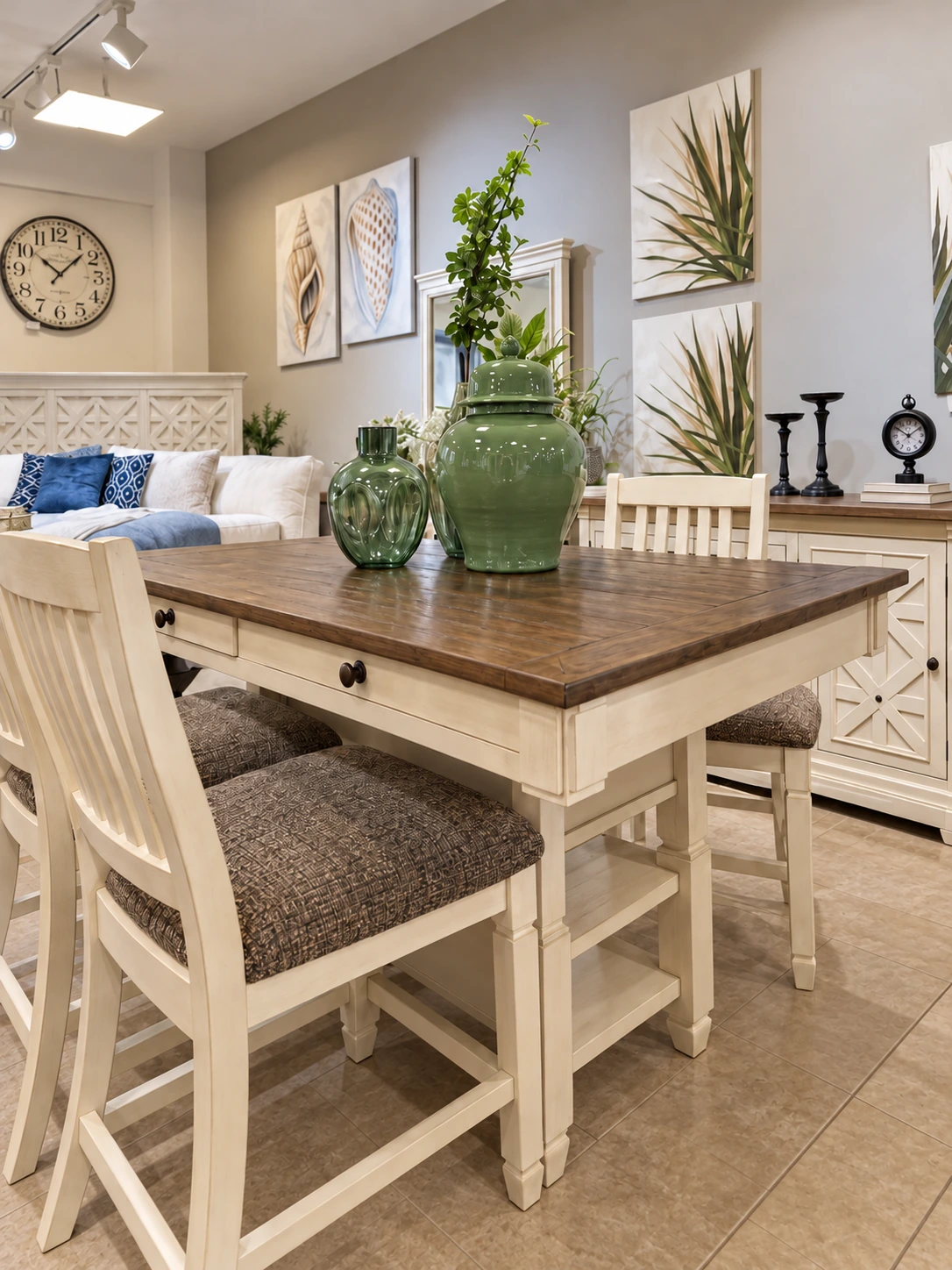
I walked through the store from the customer’s point of view. What did someone notice on entering? What could the displays explain without a salesperson? Where did an attractive room setting leave someone with unanswered questions about the furniture?
Illuminated brand boards, standees and furniture placement became part of that explanation. The space needed to introduce Ashley while letting people spend time with the products. The aim was for the surroundings and the team to support the same conversation.


The harder change was in how the visit unfolded. Someone comparing two sofas needed help judging what the purchase would mean in their own life: how it felt to sit in, how it would fit the room, and whether it suited the way the household used that space. Calling it premium could not answer those questions.
I worked with the sales team on scripts and operating guidance that made the conversation more consistent. The purpose was to understand the visitor’s needs, help them experience the furniture and explain relevant value without turning the visit into a lecture. A person who had already seen our films arrived with a different understanding from someone encountering Ashley for the first time.
The next step also depended on the person. Some were ready to purchase; others needed more time or help resolving a concern. I put a structured follow-up process around those differences, so the team could continue a useful conversation after the visit.
This made the showroom central to the work. Awareness could bring someone through the door. What happened there determined whether the interest had somewhere to go.
The early improvements in marketing and selling gave us the budget for a larger introduction. I turned to a category the audience already understood: premium cars. The association could help people place Ashley in a familiar world, while the furniture itself had to give them a reason to stay.
Choose to Be Extraordinary · C2BE · Beldih Club
A familiar name made the introduction.
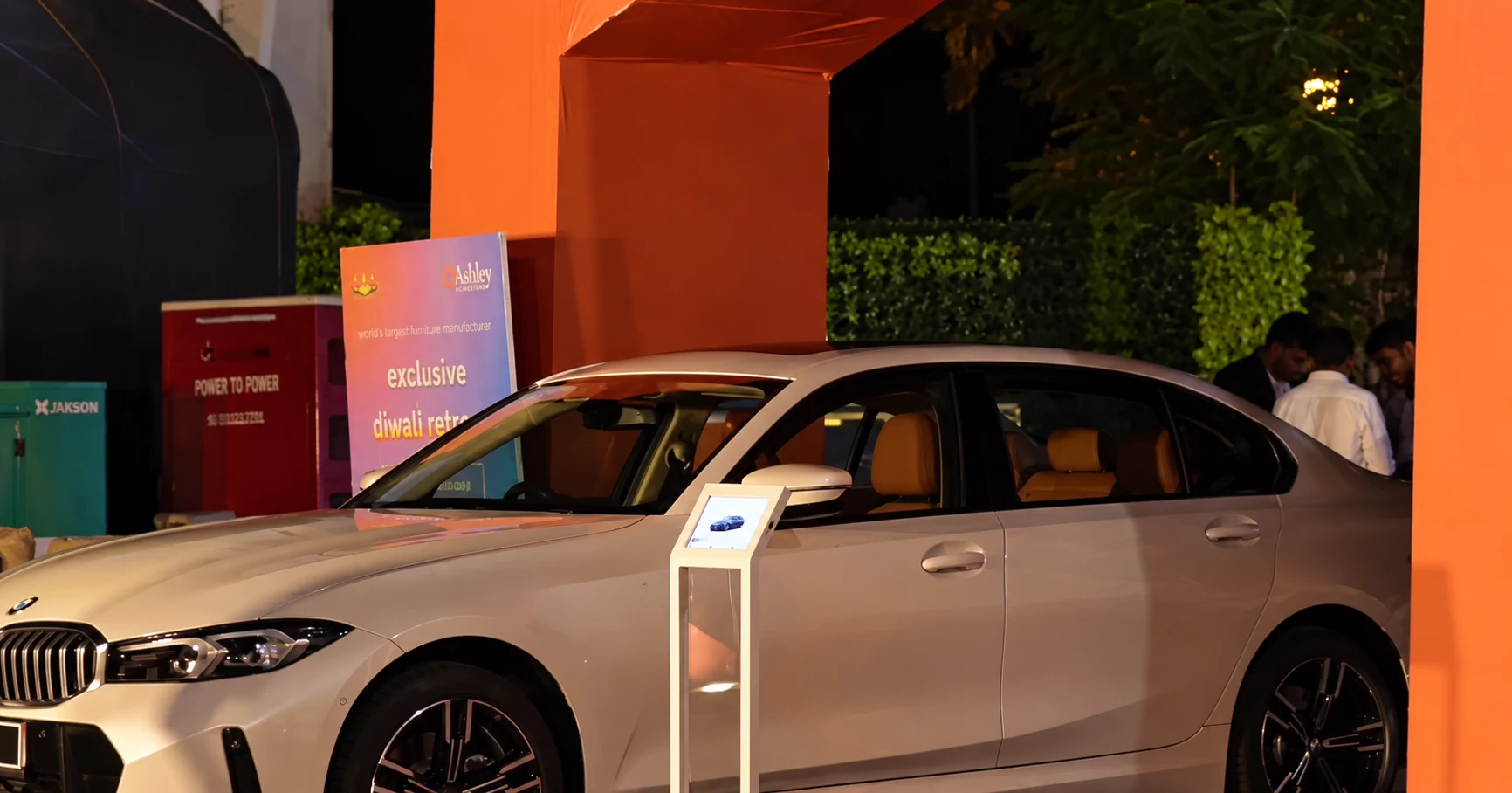


BMW was our first major automotive collaboration. At Choose to Be Extraordinary (C2BE), held at Beldih Club, the car display and shared branding placed Ashley alongside a name already associated with premium living. It addressed the uncertainty about where this unfamiliar furniture brand belonged.
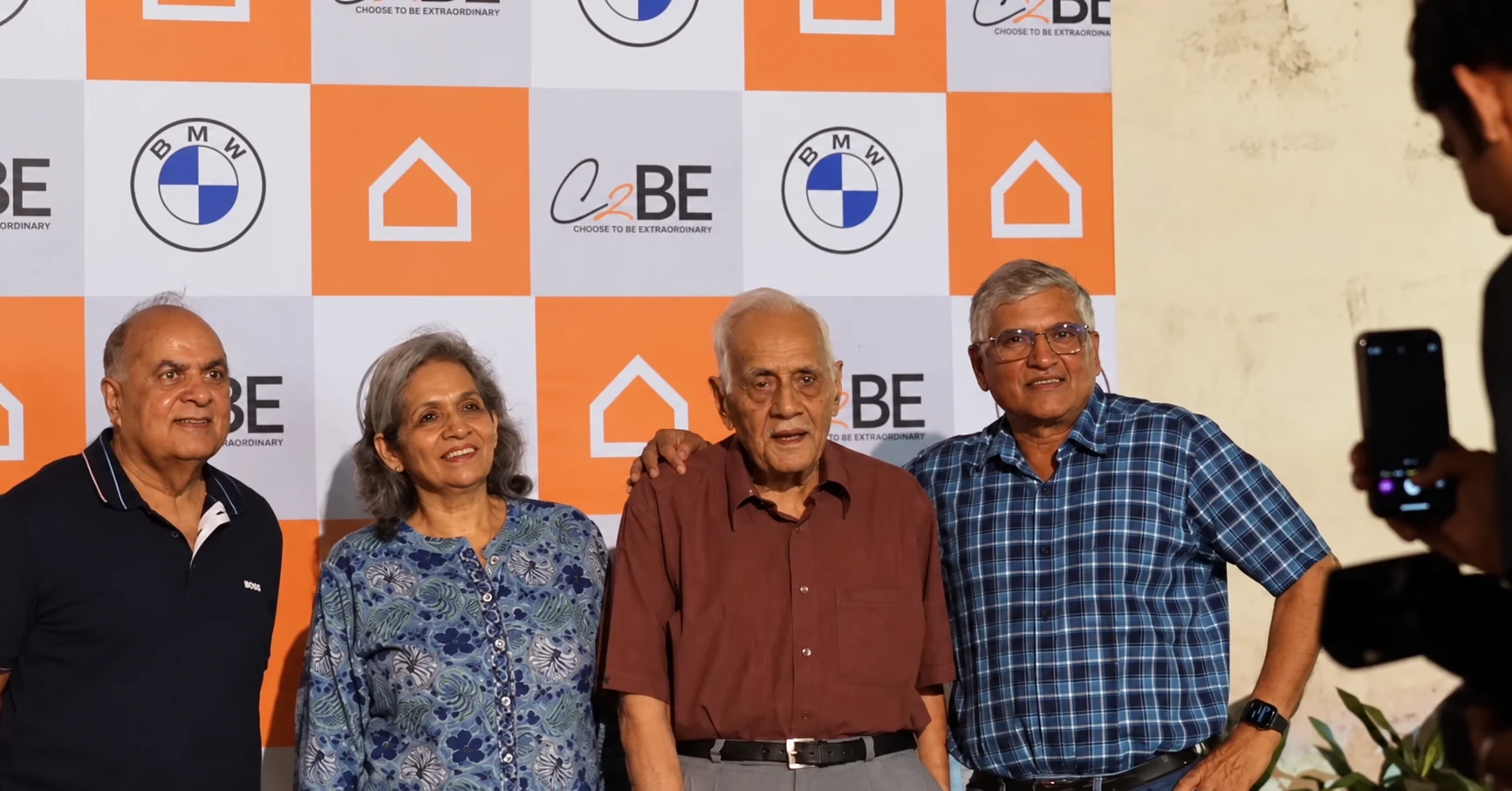
The setting then gave the furniture a role. Guests could sit with family, talk or listen to the music in Ashley seating. The team could discuss the pieces while someone was using them. Recognition brought the association into view; time in the furniture gave people their own experience of it.


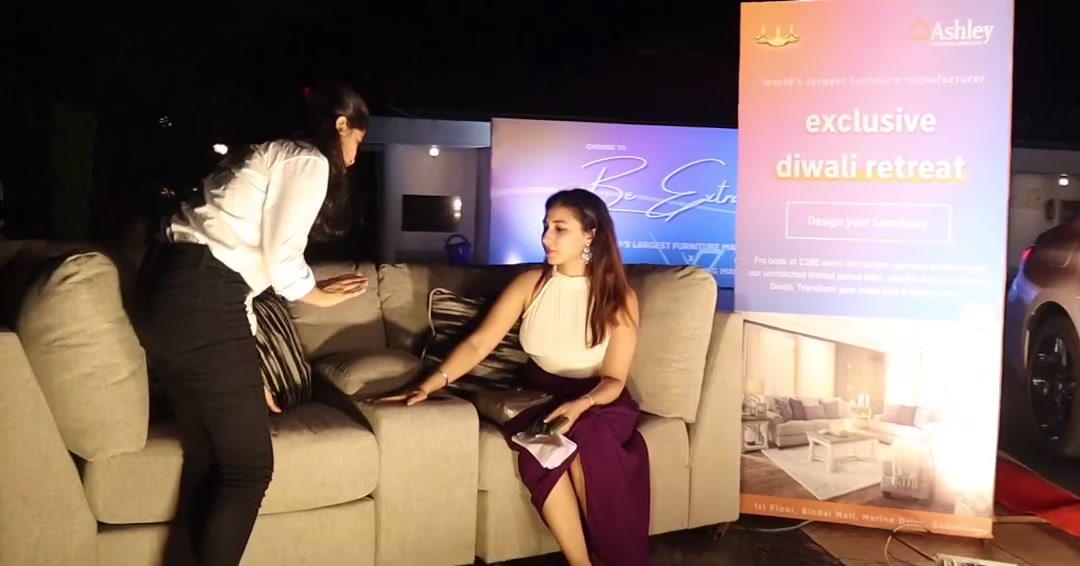
This was the principle I carried into the later occasions: choose a setting where the audience wanted to spend time, give the furniture a useful place in it, and make the next conversation with Ashley possible. The form could change with the occasion.
The results following BMW gave us room to invest in outdoor advertising. The location problem was still there: the showroom remained outside the usual shopping circuit. Placements around the city needed to make the name recognisable and help people understand where to find it.
Social marketing continued alongside those placements. A person could encounter Ashley on the way home and recognise it again on their phone. The two forms of communication could reinforce each other while events gave the same name a more personal meaning. These channels continued to work alongside one another as the programme grew.
A more familiar name. A clearer reason to walk in.
The occasions that followed asked different things of the brand: an invitation to the showroom, a place in a day of leisure, or a reason to spend an evening together. Each needed to connect the setting and the furniture with the next step a person could take.
The following scenes trace the wider programme across several campaigns. The six-month business results are set out at the end.
An evening became an invitation.
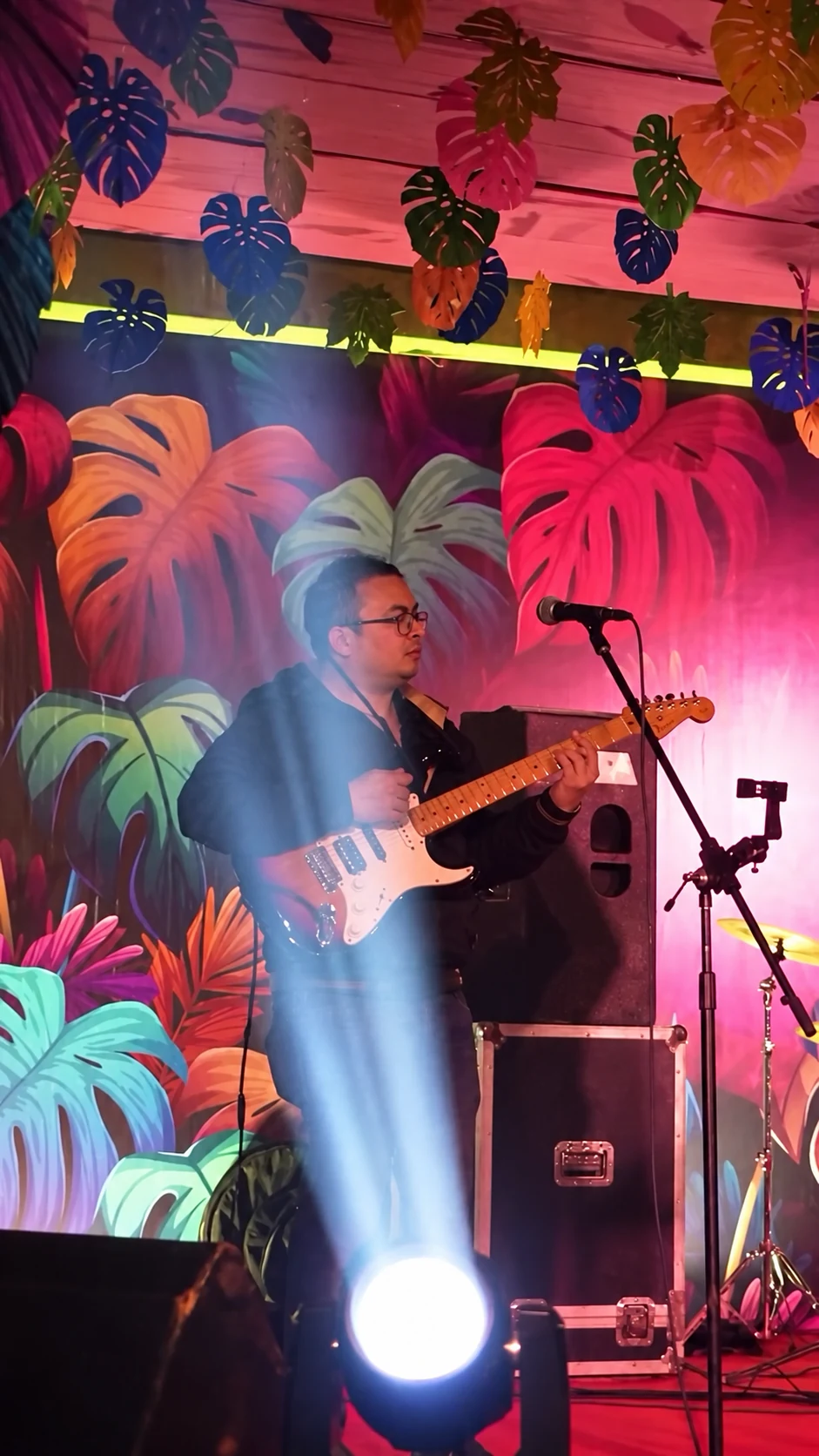
At Hakuna Matata, held at Beldih Club, people had come for food, music and time together. Ashley’s furniture and team gave them a way to explore the brand within that evening.
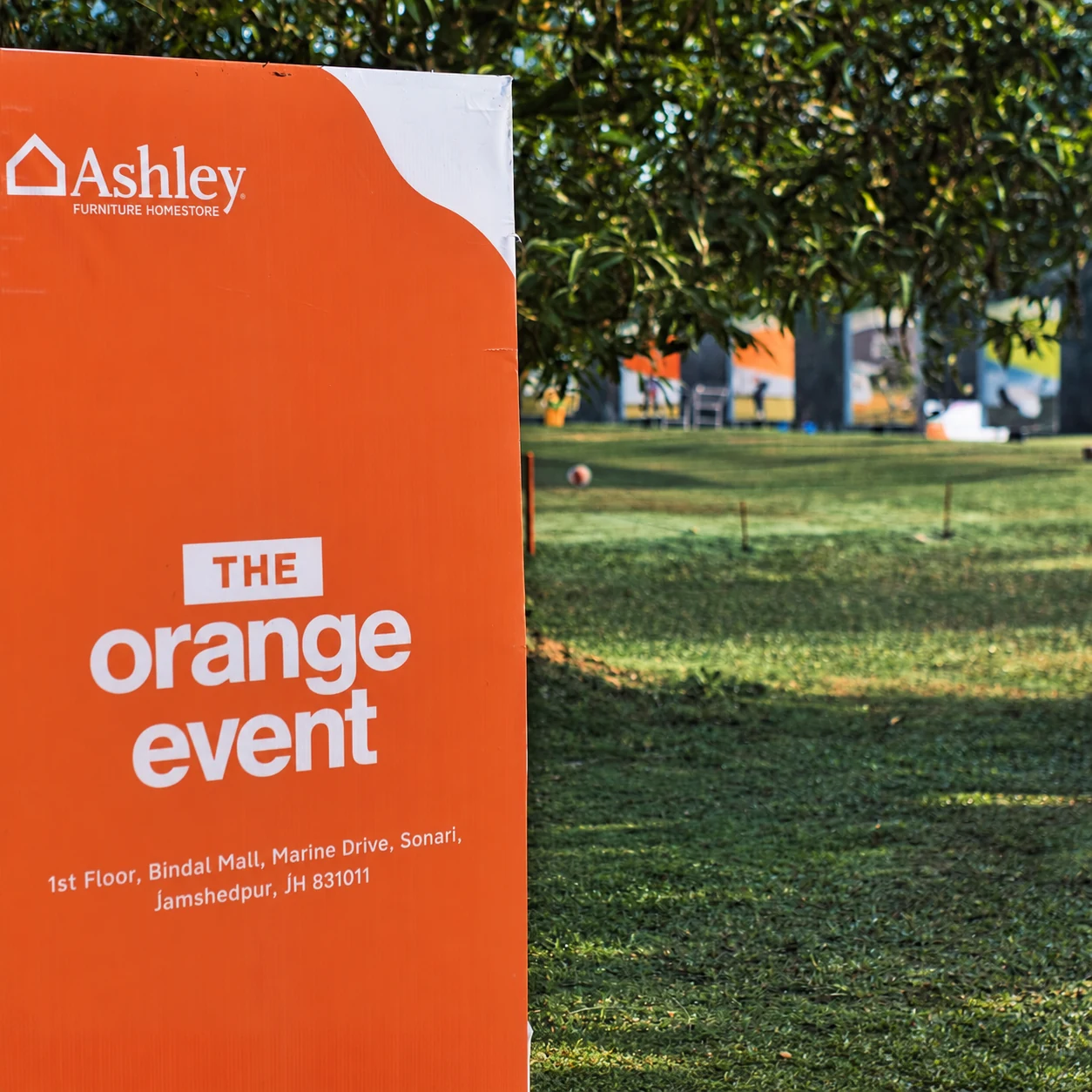
The important connection was what came after that encounter. The Orange Event invited people to spend time at Ashley’s showroom. We introduced it through personal invitations at the club, giving an interested guest a specific occasion to visit.


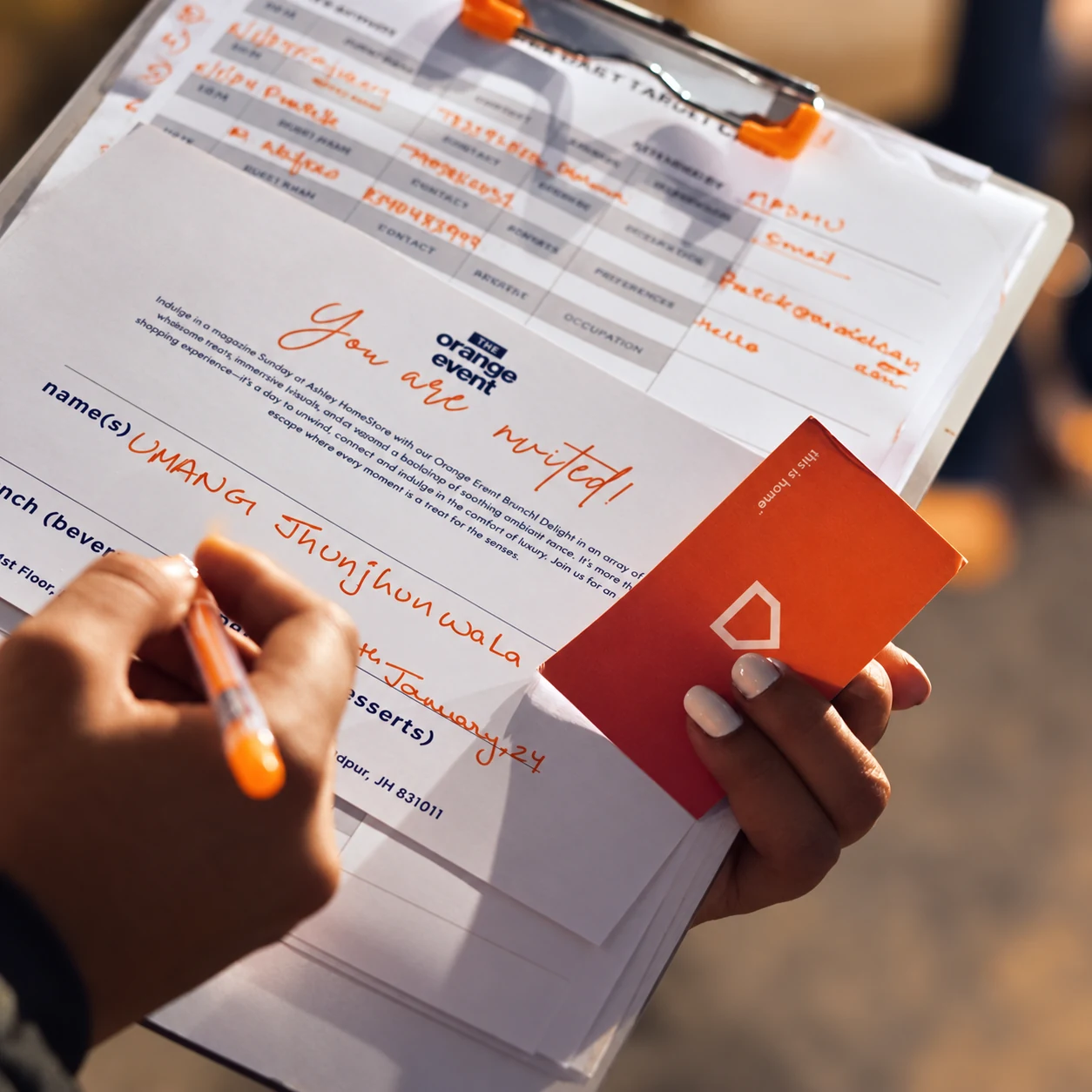
Filling in an invitation made the next step concrete. A conversation beside a recliner could lead to seeing the wider collection at Marine Drive.
That mattered for a store beyond the usual shopping circuit. We were giving people something to plan around, with a familiar introduction before they arrived. The Orange Event name would continue through later activity, including the Porsche collaboration.
Start with the life around the furniture.
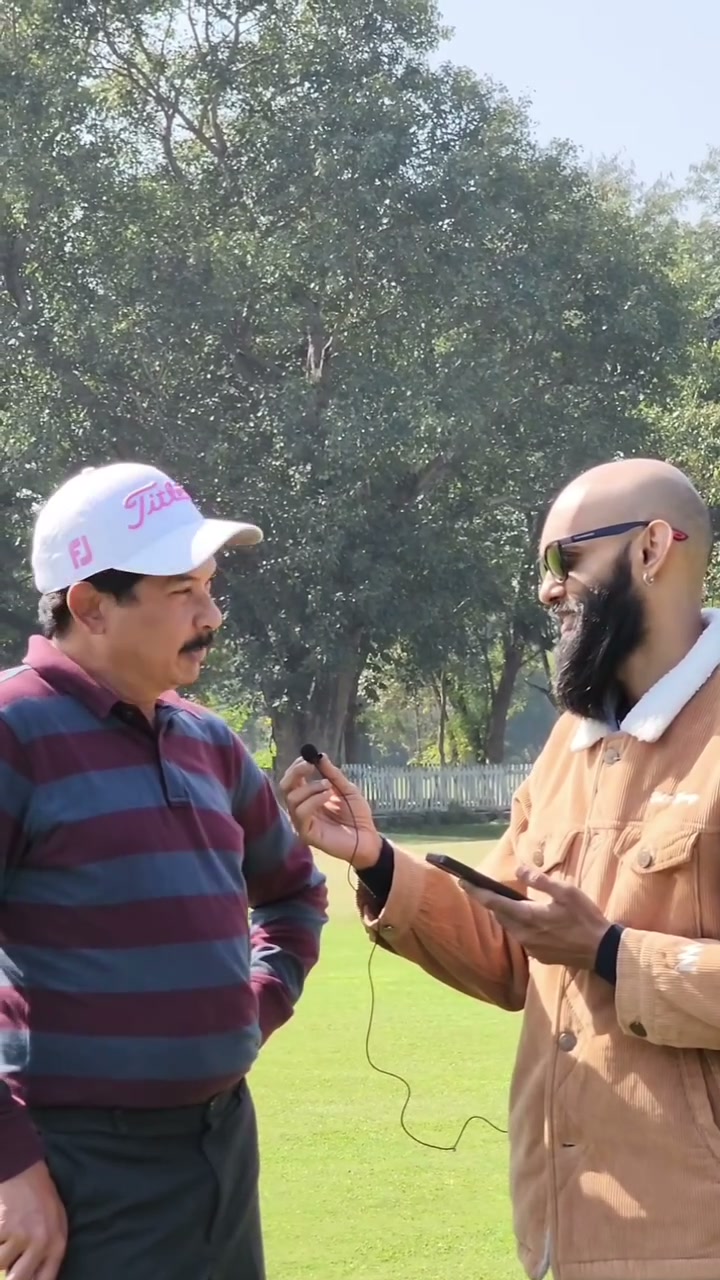
At the CII Jharkhand Golf Cup, the starting point was the life people already enjoyed. Ashley appeared at Golmuri alongside sponsors including BMW and Tata companies. For BMW, this was a second collaboration with us, following the positive response to the flagship C2BE event. The furniture could be experienced during a day the audience had chosen to spend there.


A creator asked golfers about luxury in Jamshedpur, a good weekend and a favourite corner at home. Those questions gave the content a point of entry in their own lives. Comfort could be discussed through what someone enjoyed doing and where they liked to spend time.

Beside the course, people could try a recliner and speak with the team. The creator’s film connected those conversations with the showroom, while Orange Event signage and invitations gave the experience a destination.
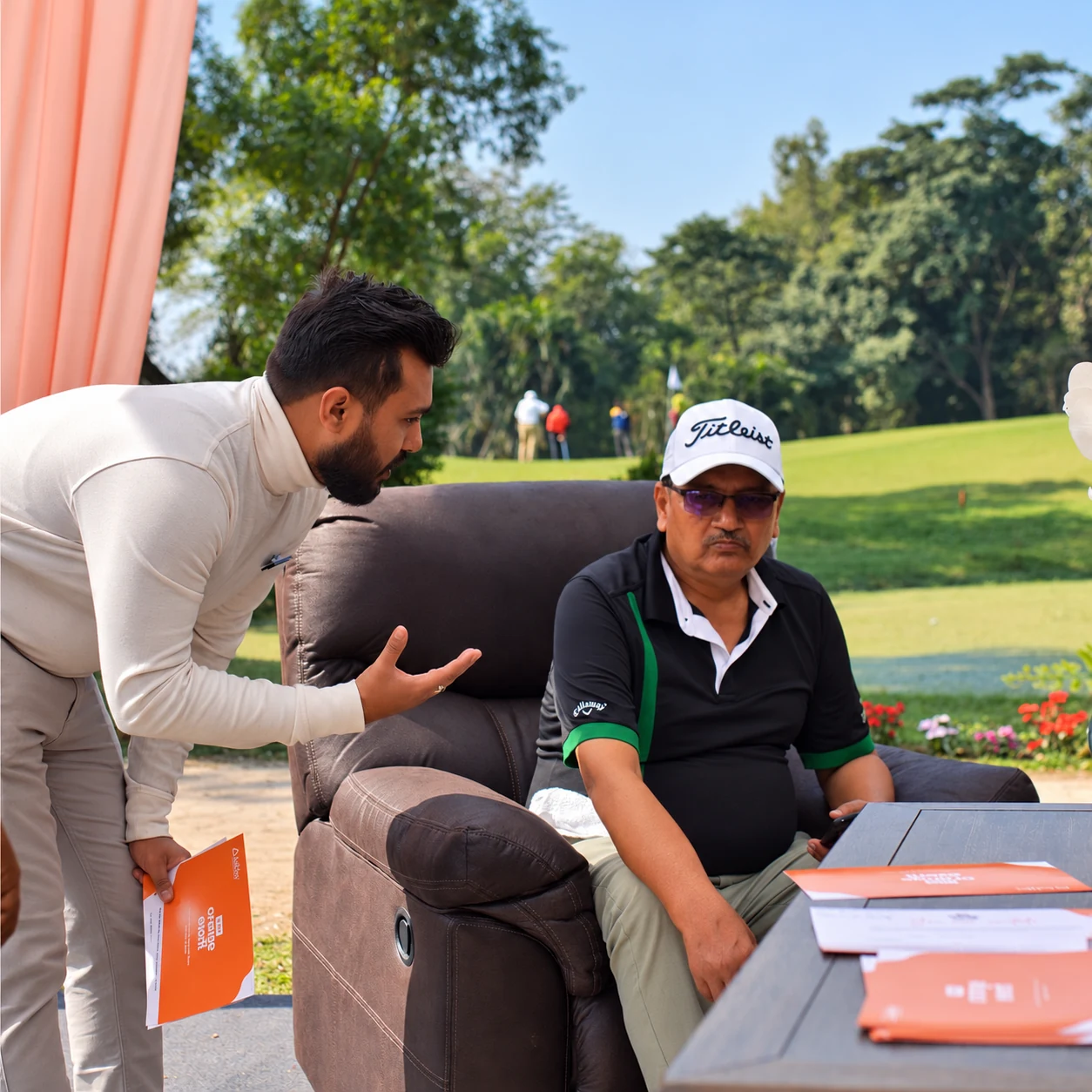
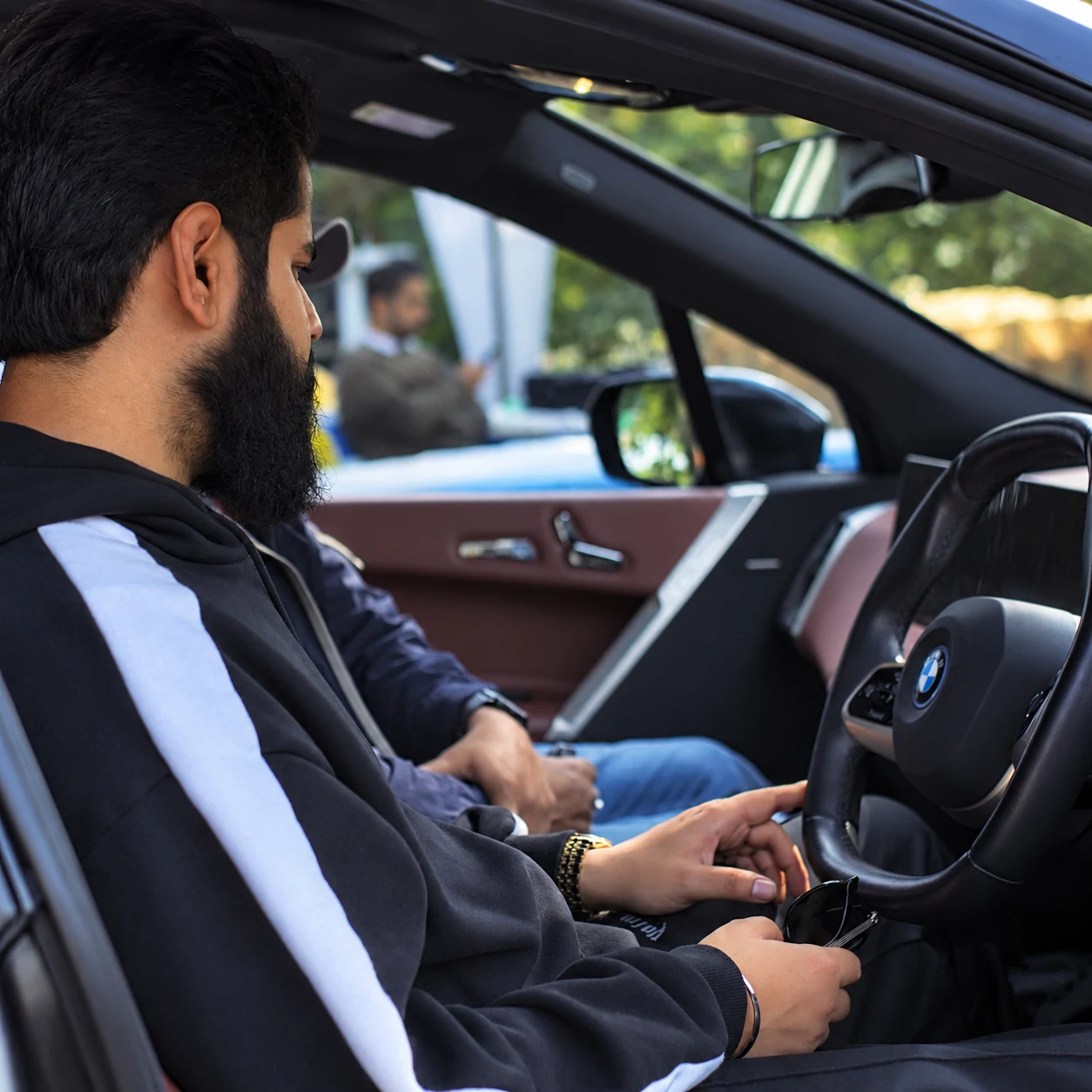
These encounters came before the Porsche collaboration. They developed the connection between the social introduction, the experience of the furniture and a visit to Ashley. That groundwork gave the next collaboration something to build on.
The Orange Event · Beldih Club
Give people something to carry home.
The narrative around luxury living helped attract Porsche to Jamshedpur for a collaboration with Ashley. The Porsche team described it to us as their first event of this kind in Jharkhand.
The Porsche collaboration developed the idea across a larger occasion at Beldih Club. The Orange Event name now appeared at the entrance to an evening where the car, furniture, music and guests shared the same setting.
The collaboration also extended into a film with a local creator. The conversation beside the Porsche returned to Jamshedpur’s appetite for luxury. It connected the car and Ashley with a way of living that people could recognise in their own city.


At the venue, the shared branding began at the entrance. Beyond it, Ashley seating was arranged within the gathering, giving guests places to settle in through the evening. The relationship needed to hold together as people moved around.


Guests could approach the Porsche, look into the cabin and explore its details. Nearby, they could spend time with the furniture. Both experiences were within reach during the same visit.
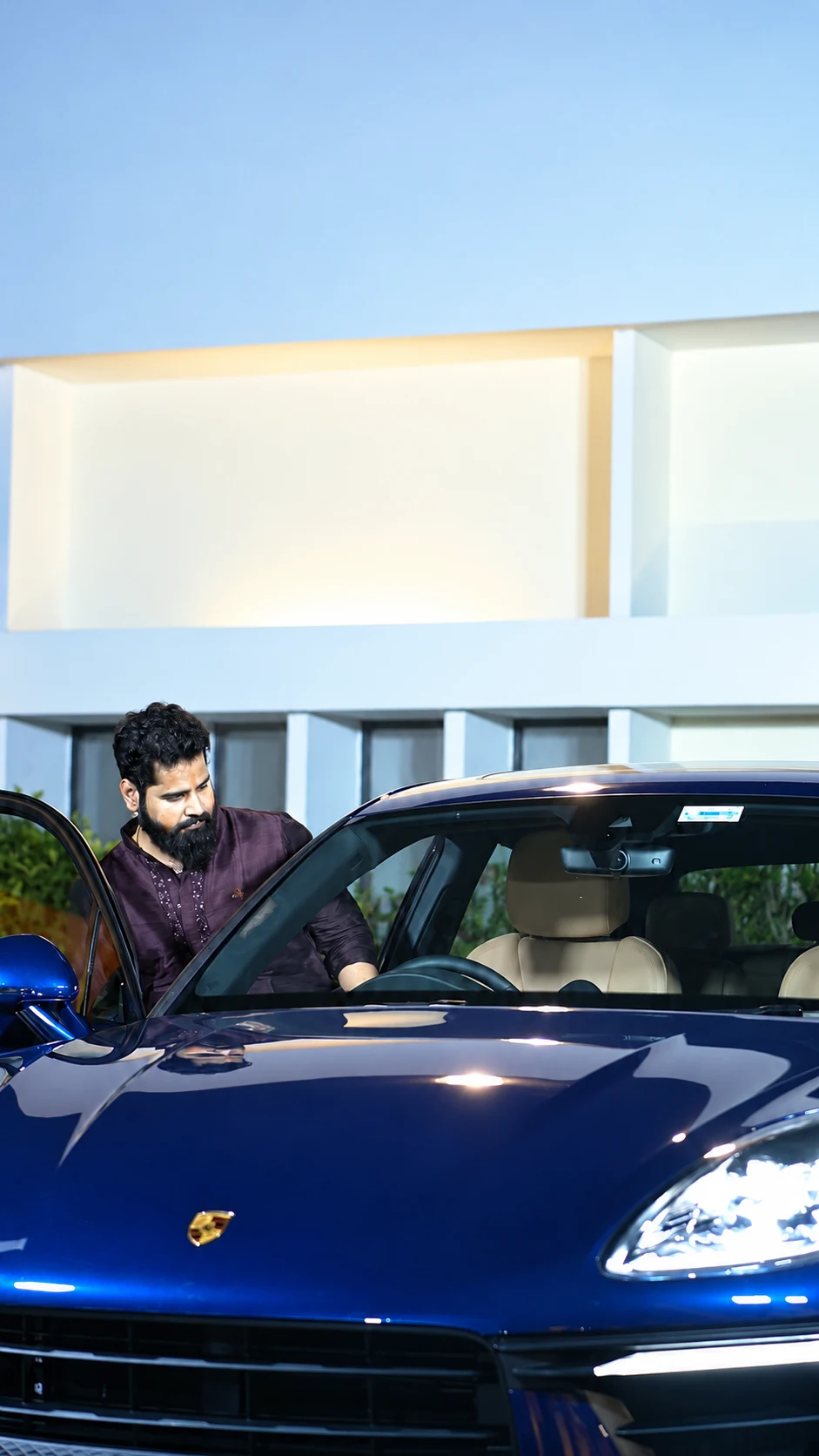
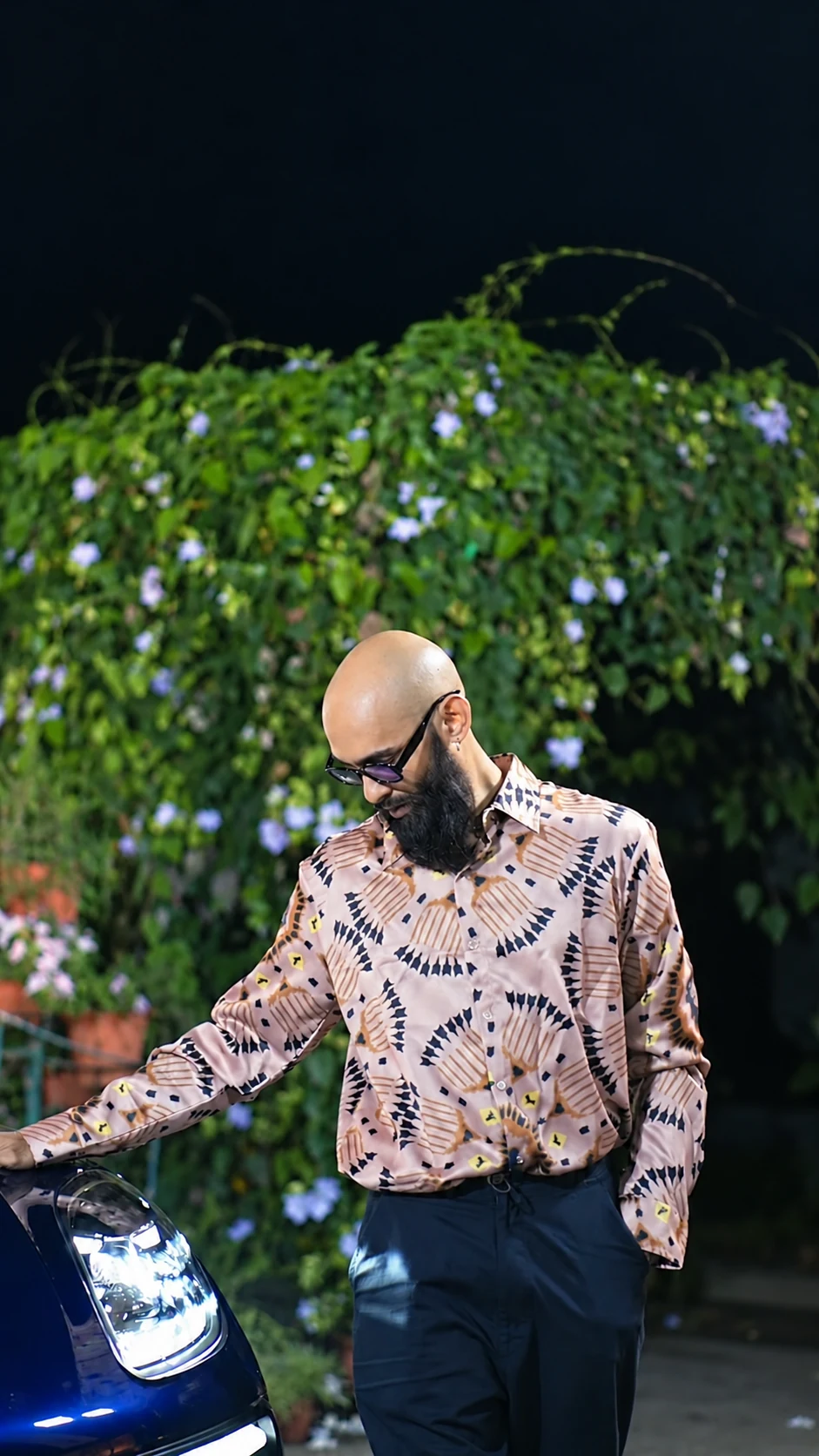

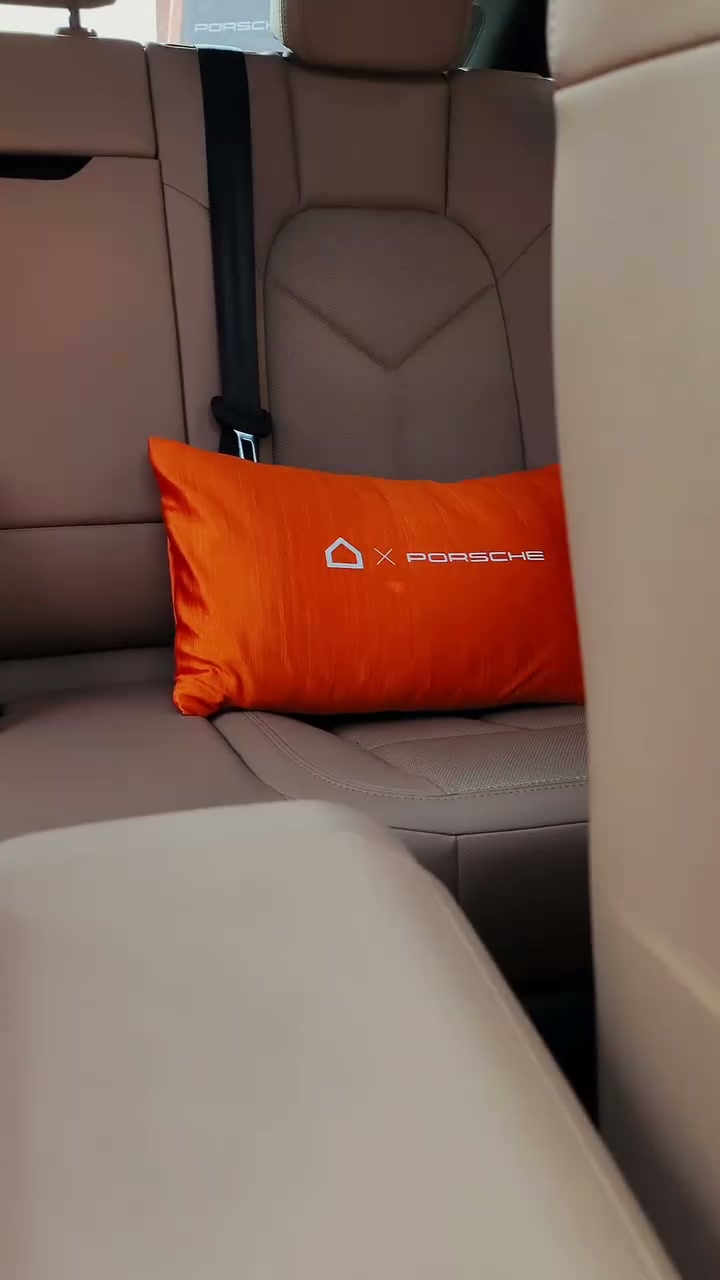
An orange Ashley × Porsche cushion inside the car made that connection particularly clear. It joined the two brands in a familiar object associated with comfort. The association continued beyond the entrance and the backdrop, into something a guest could see at close range.
That level of continuity mattered. The ambition was for a later glimpse of Ashley on a phone or a street to recall time spent with the brand: the setting, a conversation and the furniture someone had used.
A place in an evening with friends.
Beat the Heat brought the offer, the outdoor campaign and the occasion together. Pole signs carried summer and pool imagery into the city; the pool party gave that invitation a physical setting. People could recognise the same promotion from the road to the event.
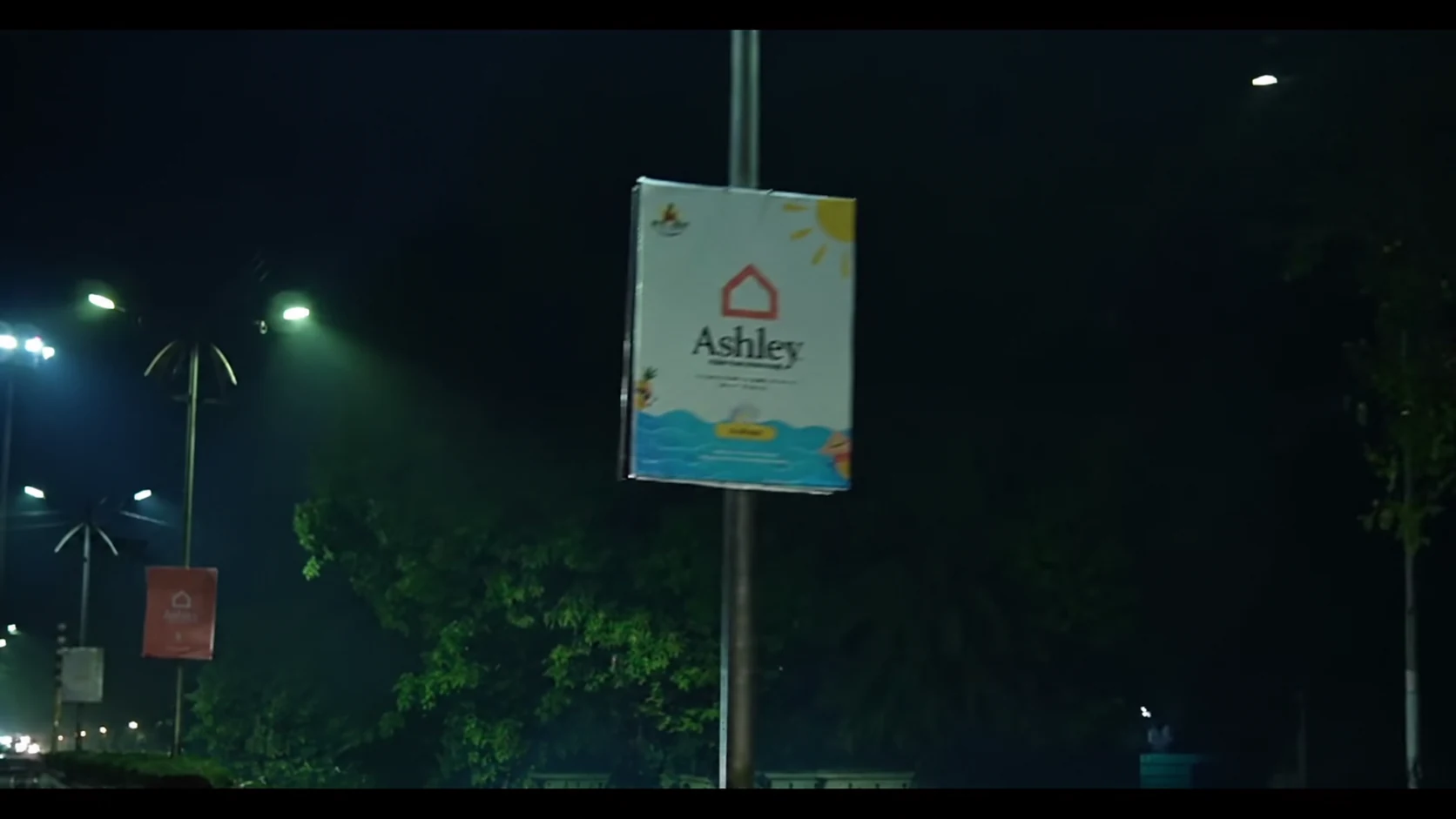
Held at Beldih Club, the evening centred on friends and families around the pool. Ashley appeared in the welcome, the seating and the orange house-shaped prop guests used in photographs. The tone suited a summer gathering.


Here the work was in keeping the campaign connected while allowing its character to change. The same brand that had appeared beside Porsche could also be part of a relaxed evening with family. The offer had a setting, and the setting carried the brand.
Rotary District Awards · Ramada, Jamshedpur
Let the furniture earn its place through use.
At the Rotary District Awards at Ramada, Ashley appeared alongside Mercedes-Benz. The table display made that association visible, while the seating had a practical role in an evening recognising community service.
Guests used Ashley armchairs and sofas during the programme and in conversation. This gave them more time with the furniture than a passing display could. Comfort could be judged through use, in a setting where it mattered to the occasion.
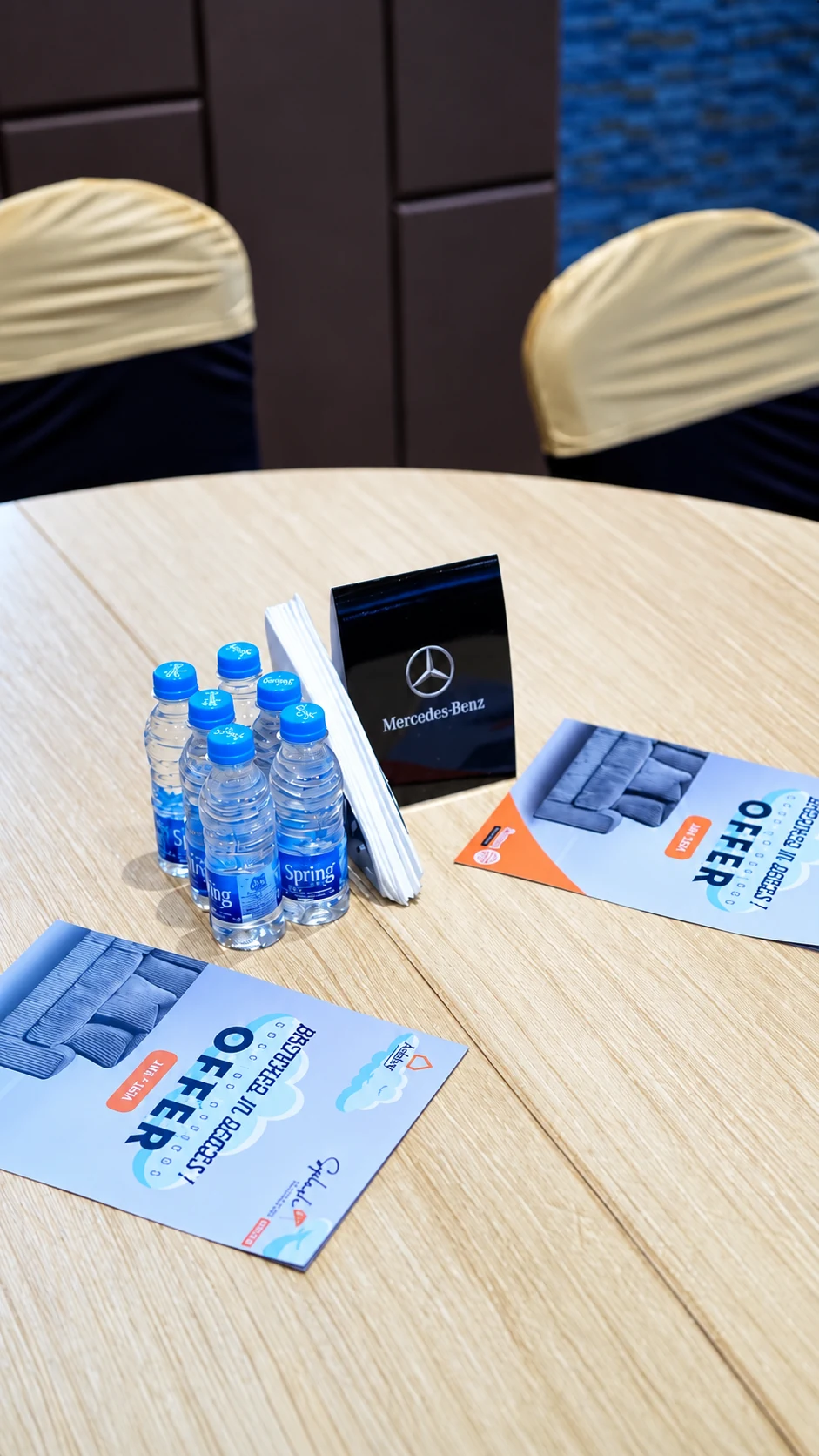
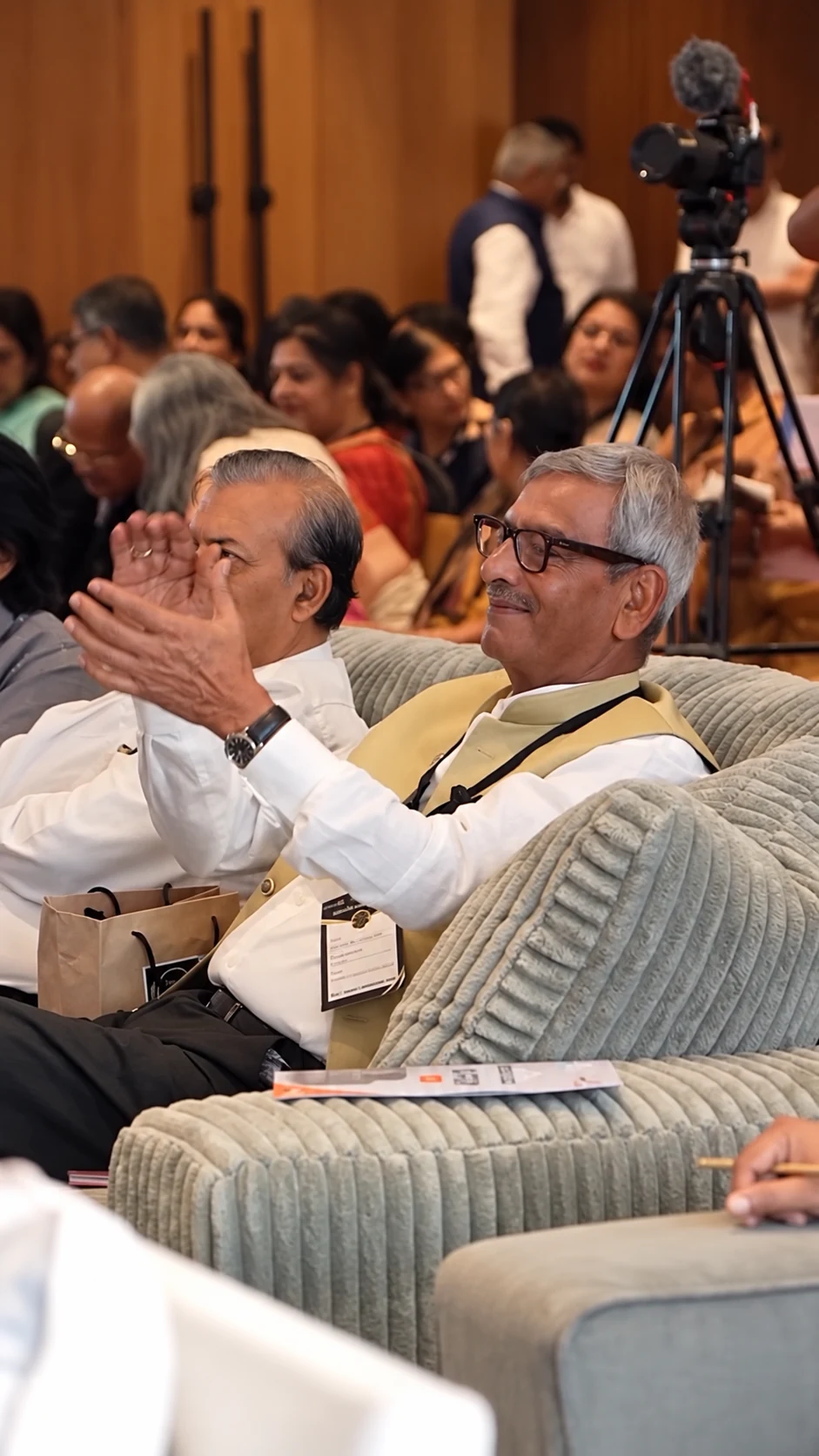
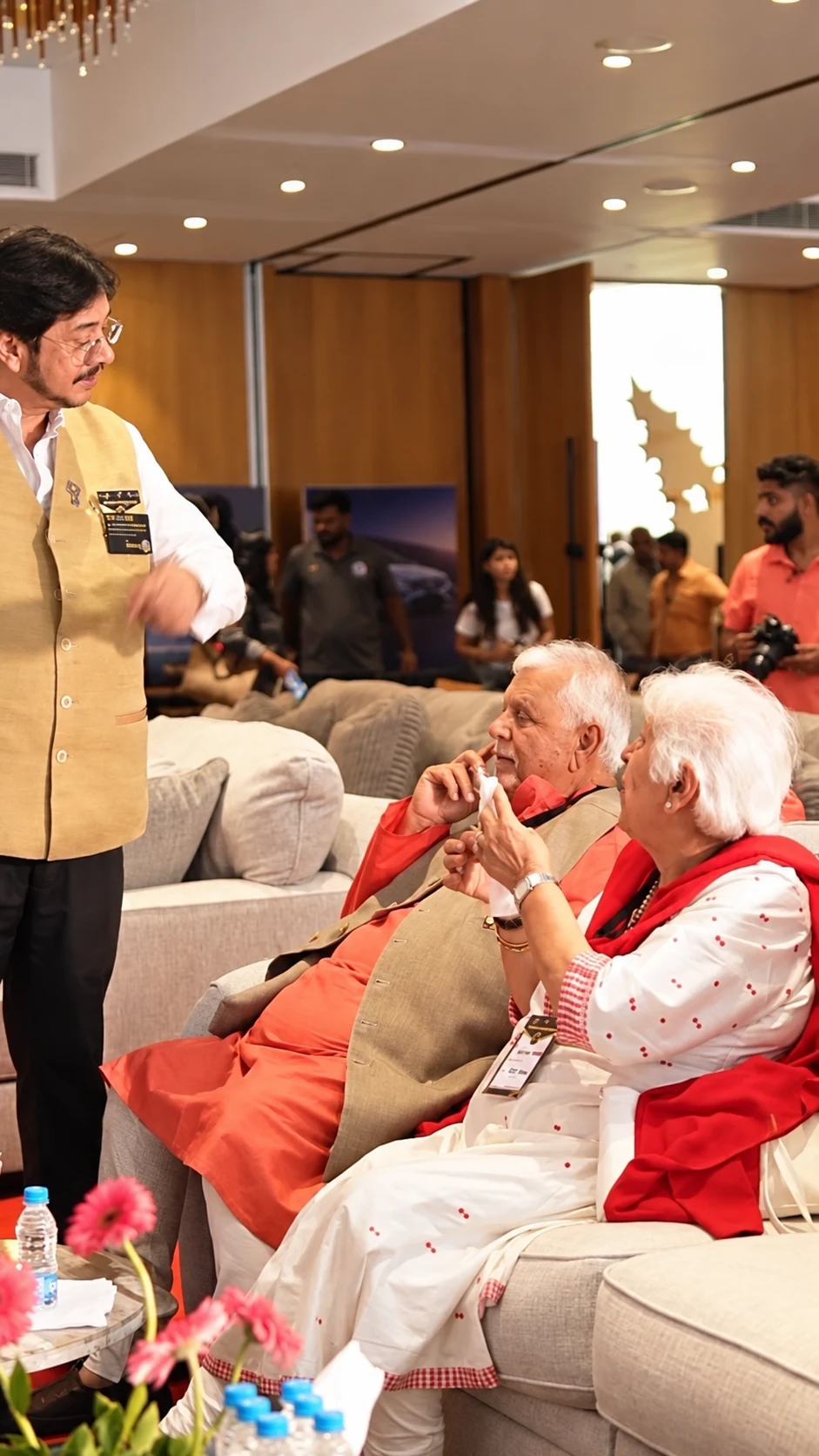
Across the different gatherings, that remained the test: what did the furniture contribute to the time people spent there? The answer changed with the occasion. Each introduction still had to lead back to a showroom team able to help someone choose.
An event could start the relationship. A purchase brought it back to the household: comfort, space, value and delivery. The team had to help resolve those questions and carry the promise through to the furniture arriving at home.
The customer films give a more specific view of that work. Prachi describes the team helping her select suitable furniture and arranging delivery around her preferred date. Rajesh recalls a demonstration before purchasing and Ashley’s team helping set up the furniture. Both accounts place the service around the product at the centre of the experience.
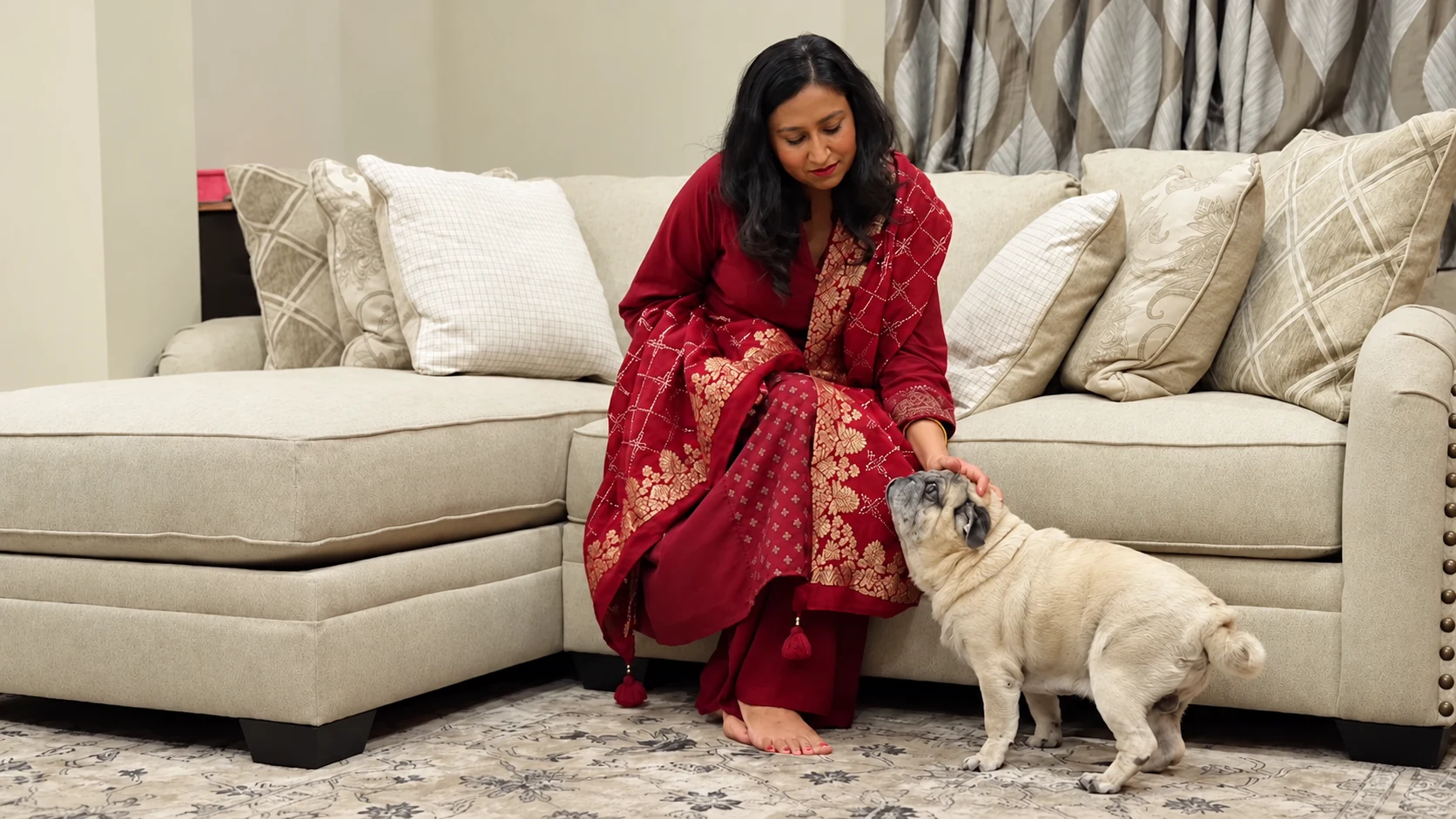
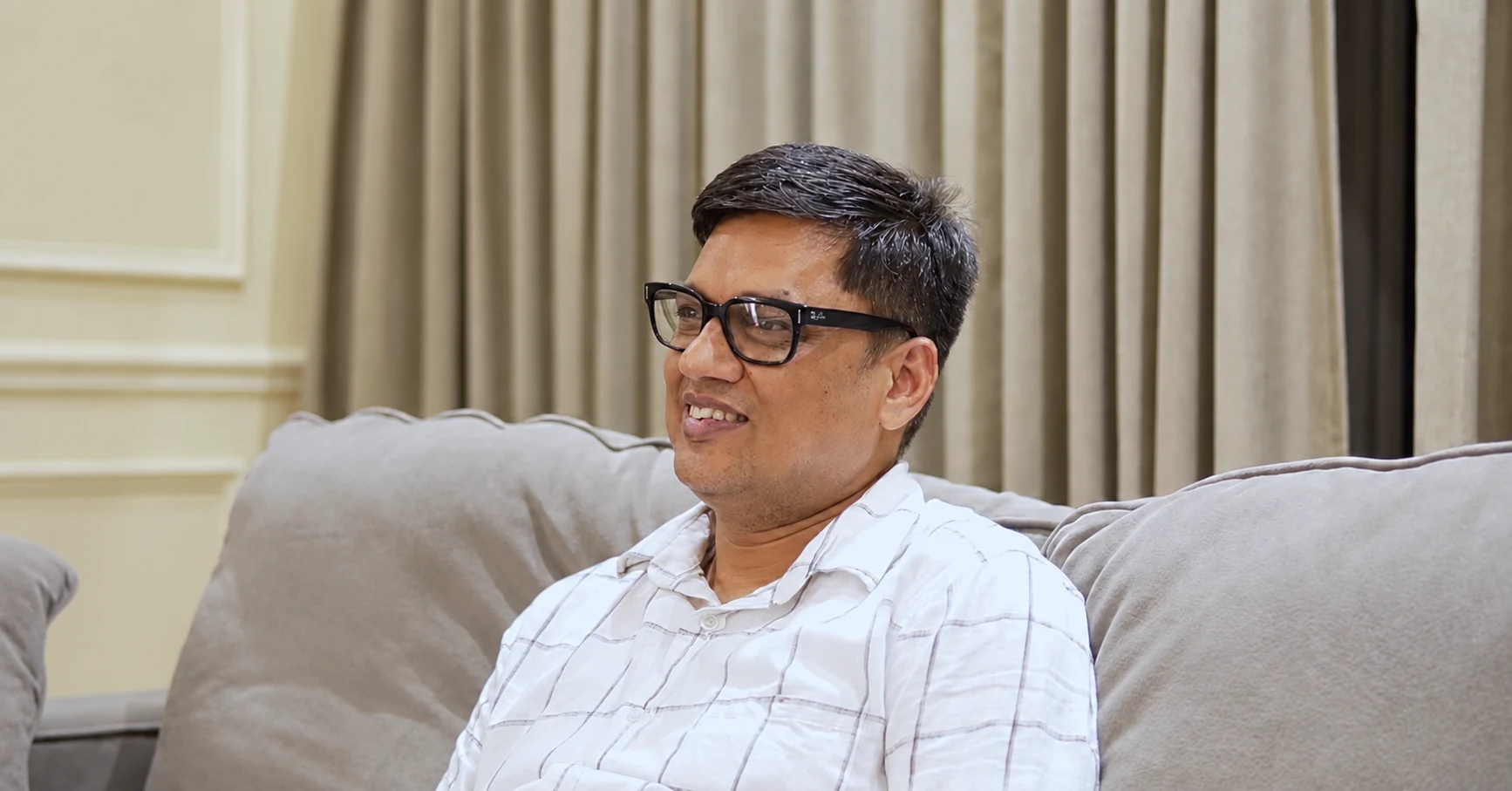
Once the furniture was in place, the questions became everyday ones. Rajesh describes watching films and spending time with guests, relatives and friends. That is the life the showroom had been helping him picture.

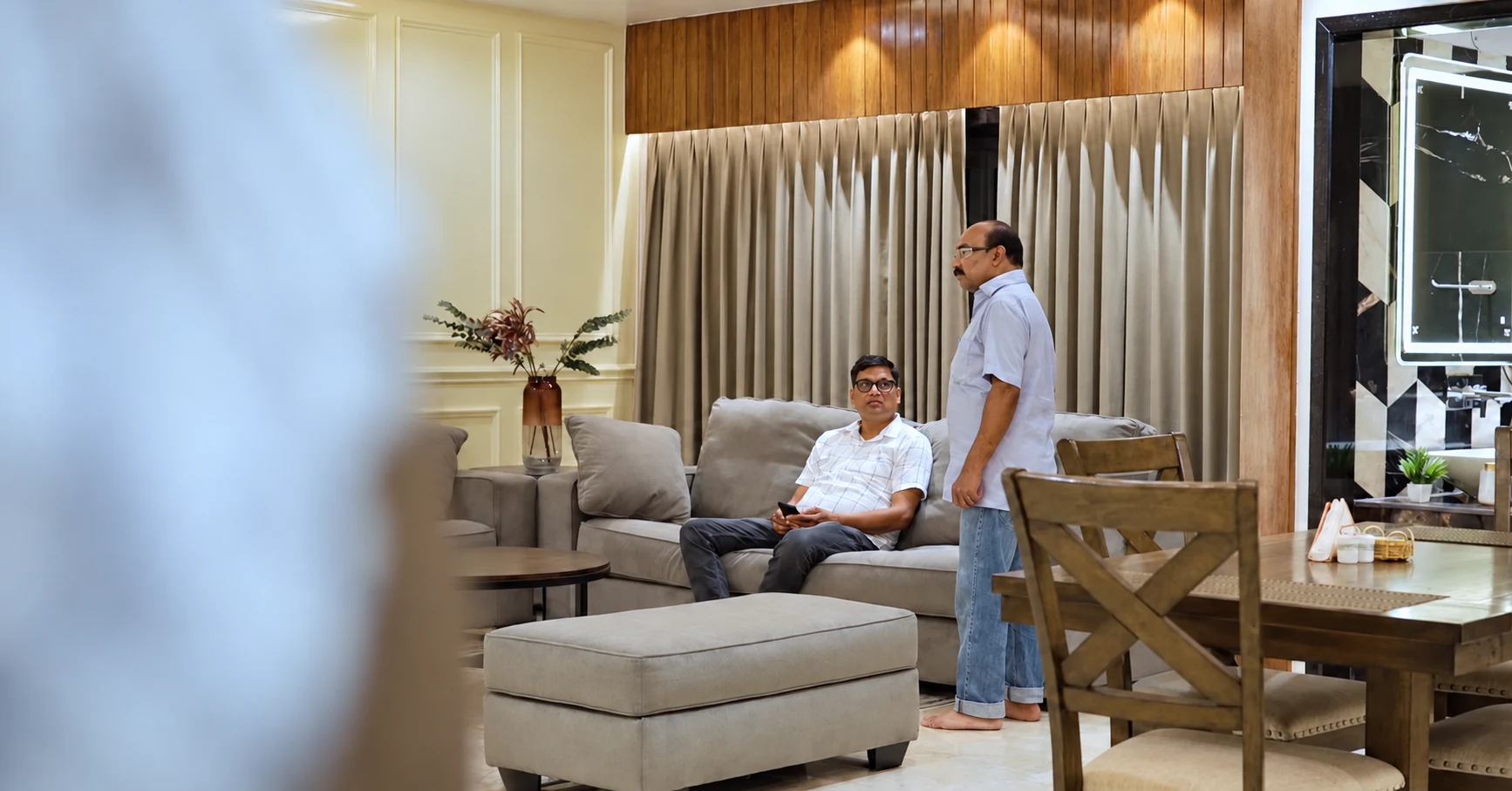
Delivery and placement completed the transition from something considered in a showroom to something used at home. This was where the explanation of value had to hold up.
Customer accounts and delivery films gave the ongoing social marketing something further to show: what happened after someone bought. Across the wider programme, gatherings such as Tambola Night and Garba created other occasions to use the furniture and meet the team.
These were connected parts of the work. An introduction could lead to a visit; a useful visit could lead to a purchase; the customer’s experience could help the next person consider Ashley. As sales improved, we could fund further activity while keeping the earlier work running.


The activity returned to the same place: someone walking into the showroom, trying a piece of furniture and speaking with the team. These moments from the Orange Event show what those introductions were intended to make possible.
Experience becomes the next introductionCustomer accounts and delivery films give the next audience something real to consider.
Sales support the next investmentImproving business performance funds further activity while the earlier work continues.
Over six months, sales conversion rose from 3% to 14%, and store footfall reached a sustained three times its earlier level. Ashley acquired more than 400 customers during the period. The business reached break-even despite its high rent, with profits recorded in some months.
The showroom conversations changed too. Over time, I noticed less resistance when prices came up and a stronger association between Ashley and high-end furniture. People were becoming more familiar with what the brand offered. Price remained part of the decision, but it was being considered with more understanding.
The teams we worked with at BMW and Porsche also responded positively to the shared narrative around luxury in a price-sensitive market. Both told us the collaborations had helped increase their sales.
Reaching break-even mattered because the business had begun this work while losing money. More visits were translating into more customers, and the improvement gave us room to keep investing. Each step had helped make the next possible.
My contribution was to keep those decisions connected: how Ashley was introduced, what people experienced when they visited, how the team helped them choose, and where the business could afford to invest next. The photographs show individual moments; the work was in carrying the promise between them.
That is how I approach experiential strategy and narrative design at Monaesque: connect what a brand promises with what people actually encounter, from the first introduction to the conversation and service that follow.
An account of Aditya Tiwari’s work at the Ashley HomeStore franchise in Jamshedpur. Results and observations, including feedback from the collaborating teams, are reported by Aditya. The six-month business results reflect the combined work across marketing, the showroom and sales. Photographs cover the wider programme, including activity beyond that measurement period.
Request a sitting